
Azza
Soliman
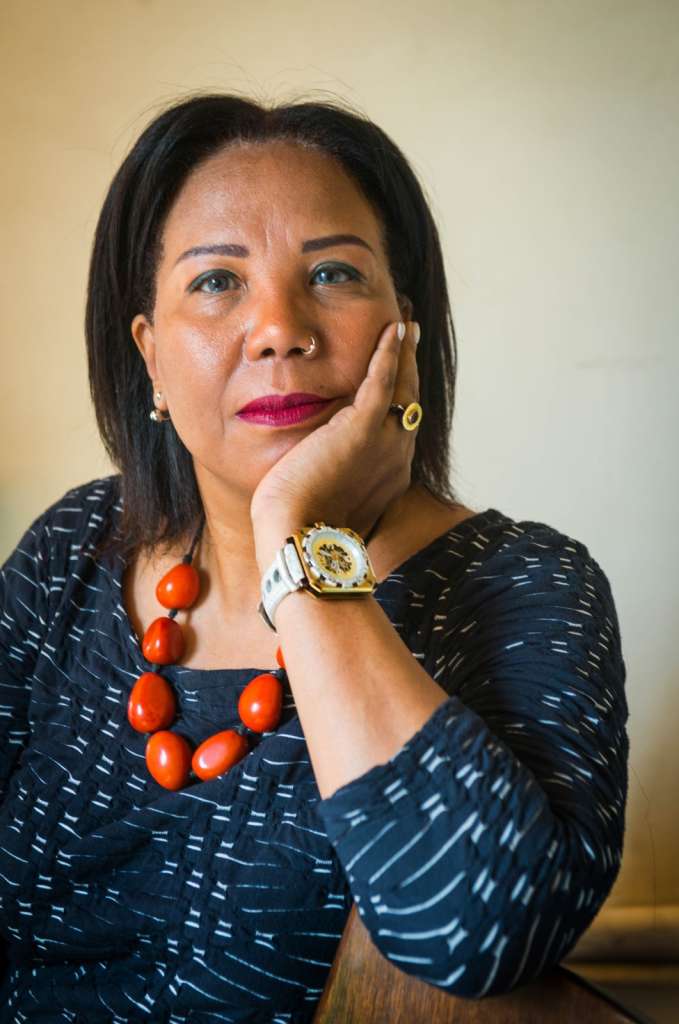
Azza Soliman, a women's rights lawyer and founder of CEWLA, endured five years of travel bans and asset freezes in Egypt's foreign funding case before the case against her was closed in 2021. The travel ban was lifted in 2022 and, by her account, the asset freeze in November 2024.
- Country
- Egypt
- Role
- Lawyer
- Arrested
- 7 Dec 2016
- Sentence
- Case 173 closed against her without trial on 30 August 2021. In a separate 2015 protest case, she was acquitted, finally on appeal in October 2015.
- Status
- At liberty
- Arrested
- 7 Dec 2016
- Sentence
- Case 173 closed against her without trial on 30 August 2021. In a separate 2015 protest case, she was acquitted, finally on appeal in October 2015.
- Judicial status
- Case dropped
- Name in Arabic
- عزة سليمان
- Charges
- Receipt of illegal foreign funding (Case 173, closed 2021)
- Operating without legal permission (Case 173, closed 2021)
- Unauthorised protest and breach of public order (2015, acquitted)
The cases, as we document them.
Where a case was replaced by a new one, the two are linked.
- Case173/2011
Defendant
The foreign funding case
Investigation (the foreign funding investigation)
Also named in this case: Aida Seif El-Dawla, Hoda Abdelwahab, Hossameldin Ali, Negad El Borai
The arrest, and what followed.
Background and Work
Azza Soliman is a lawyer who founded the Center for Women's Legal Assistance (CEWLA), a Cairo-based feminist organisation dedicated to promoting gender equality in Egypt. CEWLA focuses on legislative reform and awareness-raising, seeking to dismantle legal structures that discriminate against women and to provide direct legal support to women navigating a legal system that has historically marginalised them. Soliman served on the board of trustees and was recognised as one of the country's leading voices on women's rights and access to justice.
Her work placed her at the intersection of gender advocacy and broader civil society activism in Egypt. CEWLA's campaigns challenged entrenched patriarchal norms, proposed amendments to discriminatory laws, and trained a generation of lawyers in feminist legal practice. This visibility made Soliman and her organisation targets in the climate of repression that intensified after 2011.
In January 2015 she witnessed the police killing of activist Shaimaa al-Sabbagh in central Cairo and came forward as a witness. Prosecutors instead charged her and 16 other witnesses with taking part in an unauthorised protest. She was acquitted in May 2015, and the acquittal became final on appeal in October 2015.
The Foreign Funding Case
Case 173 of 2011, widely known as the foreign funding case, was opened in the wake of Egypt's 2011 uprising. Thirty-seven Egyptian human rights organisations and their leaders eventually faced charges under the file, accused of receiving illegal foreign funding and operating without proper legal authorisation. The case became the primary vehicle for criminalising civil society work in Egypt, casting routine grants and international partnerships as evidence of treason or foreign conspiracy.
For years Soliman's name circulated in the file without direct action. That changed on 7 December 2016, when she was arrested at her home in Cairo and brought in for interrogation. She was the first leader of a major NGO involved in the case to be detained. She was released the same day on bail, but the arrest marked a turning point: the case was no longer a latent threat but an active tool of suppression.
Travel Ban and Asset Freeze
On 17 November 2016, a judicial order froze Soliman's personal bank accounts and those of her organisation. Two days later, on 19 November, she was stopped at Cairo International Airport and prevented from boarding a flight to Jordan, where she had planned to participate in a human rights training. She had not been officially notified of a travel ban beforehand. On 14 December 2016, the North Cairo Court formalised the asset freeze and travel ban, citing her alleged involvement in Case 173.
The restrictions remained in place for nearly five years. Soliman could not leave Egypt, could not access her own funds, and could not operate her organisation's accounts. The measures effectively paralysed CEWLA's work and isolated Soliman from the international networks that had sustained her advocacy. Other defenders named in the case faced identical restrictions: Mozn Hassan, Negad El Borei, Magdi Abdel Hameed, and Hossameldin Ali, among others, were banned from travel and had their assets frozen.
Case Dropped, Restrictions Persist
On 30 August 2021, the investigative judge authorised by the Cairo Court of Appeal to examine Case 173 dropped all charges against Soliman, along with Negad El Borei, Magdi Abdel Hameed, Hossameldin Ali, and their respective organisations. The decision closed the case without a trial. Yet the travel ban and asset freeze were not lifted at once. Soliman filed an appeal with the President of the Cairo Court of Appeal requesting removal from both lists.
On 10 October 2021, her appeal was heard not by a regular judicial circuit but by a terrorism circuit at the Cairo Criminal Court. The court postponed the hearing until 7 November 2021. The referral to a counter-terrorism body, after the underlying case was closed, signalled that the state intended to maintain punitive measures against Soliman regardless of the legal outcome. The appeal's routing suggested that the restrictions had become ends in themselves, divorced from any substantive criminal allegation.
The travel ban was finally lifted, and she has been able to travel since February 2022. By her own account, the judge announced in November 2024 that the freeze on her personal and law firm accounts would be lifted.
Broader Context
Soliman's case is part of a systematic campaign against Egypt's independent civil society. Since 2011, dozens of organisations have been subjected to asset freezes, travel bans, and criminal investigation under the foreign funding case. In September 2016, a court approved asset freezes on five human rights defenders and three NGOs. In May 2016, five more defenders were banned from travel. Mozn Hassan, director of Nazra for Feminist Studies, was stopped at the airport in June 2016 and remains under travel ban.
The pattern is consistent: legal proceedings drag on for years, restrictions are imposed before any verdict, and even when charges are dropped, the punishments persist. The use of counter-terrorism circuits to adjudicate appeals by defenders whose cases were closed represents a new phase in this strategy, one in which the legal process itself becomes a mechanism of ongoing control rather than a forum for resolution.
-
Tried together
Magdy Abdel Hamid
“For five years, the prosecution hung over Magdy and his colleagues, effectively paralyzing their work and isolating them from international partners and forums. On 30 August 2016, the investigative judge authorized by the Cairo…”
-
Named in this file
Hossameldin Ali
“Other defenders named in the case faced identical restrictions: Mozn Hassan, Negad El Borei, Magdi Abdel Hameed, and Hossameldin Ali, among others, were banned from travel and had their assets frozen. Case Dropped, Restrictions…”
-
Named in this file
Negad El Borai
“The freeze remained in effect even after criminal proceedings concluded, requiring separate administrative appeals to lift. Travel bans became one of the most common tools of restriction during this period, applied to more than…”