
Magdy
Abdel Hamid
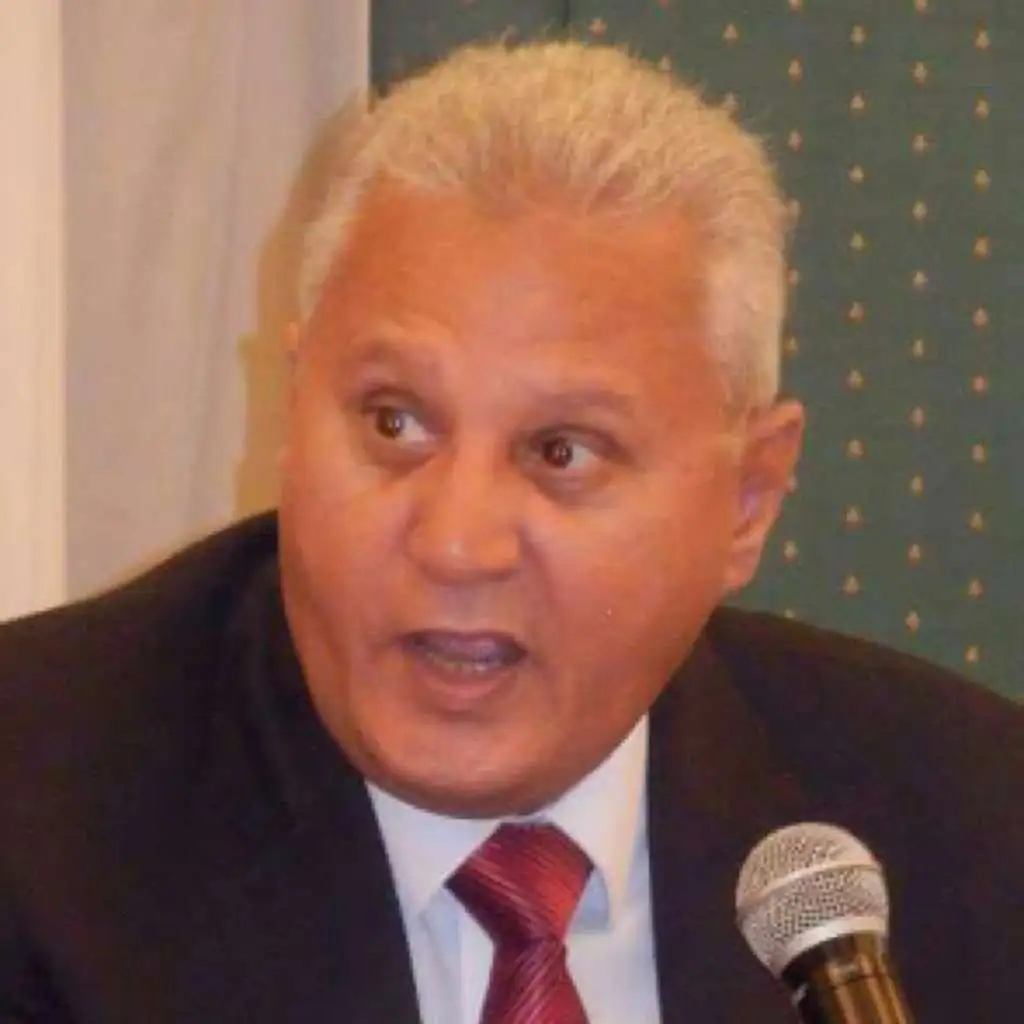
Magdy Abdel Hamid, chairman of the Egyptian Association for Community Participation Enhancement, was barred from travel at Cairo airport in 2017 under the foreign funding case. The case against him was dropped in August 2021, when the investigative judge announced that travel bans and asset freezes were removed, and the case as a whole was closed in March 2024.
- Country
- Egypt
- Role
- NGO worker
- Sentence
- No trial; the investigative judge dropped the Case 173 charges on 30 August 2021 and announced that the travel bans and asset freezes were removed. The authorities announced the closure of Case 173 on 20 March 2024.
- Status
- At liberty
- Sentence
- No trial; the investigative judge dropped the Case 173 charges on 30 August 2021 and announced that the travel bans and asset freezes were removed. The authorities announced the closure of Case 173 on 20 March 2024.
- Judicial status
- Case dropped
- Name in Arabic
- مجدي عبد الحميد
- Charges
- Receiving illegal foreign funding
- Operating without legal authorization
The arrest, and what followed.
Update, 12 November 2026: this record was checked against current sources. Magdy Abdel Hamid is free: the investigative judge dropped Case 173 against him on 30 August 2021 and announced that the travel bans and asset freezes were removed, and the authorities announced the closure of the whole case on 20 March 2024. The lawyer Negad El Borai, Hossameldin Ali and Azza Soliman were cleared in the same decision, and Amnesty International also named Esraa Abdel Fattah among those it covered.
Background and Work
Magdy Abdel Hamid is chairman of the Egyptian Association for Community Participation Enhancement (EACPE), an organization dedicated to strengthening the role of Egyptian citizens in civil society, public policy, and civic spaces. EACPE has focused on building platforms for participatory governance, promoting gender equity, and expanding women's engagement in policy dialogue. The organization's mission centers on enabling Egyptians to shape the policies and institutions that govern their lives.
His work placed him at the intersection of civic development and human rights in a country where independent organizing has been systematically criminalized. EACPE's programming sought to build the connective tissue of democratic participation at a time when Egypt's government was moving to sever those ties.
The Foreign Funding Case
In 2011, Egyptian authorities opened Case 173, known widely as the foreign funding case. The investigation targeted dozens of civil society organizations and their staff, accusing them of receiving illegal foreign funding and operating without legal authorization. The case became one of the most sweeping legal assaults on Egypt's independent civil sector, ensnaring rights defenders, development organizations, and advocacy groups across the spectrum.
Magdy Abdel Hamid and EACPE were among those charged. The case brought criminal proceedings, asset freezes on both personal and institutional accounts, and travel bans that prevented defenders from leaving Egypt. For years, the prosecution hung over Magdy and his colleagues, effectively paralyzing their work and isolating them from international partners and forums.
On 30 August 2021, the investigative judge authorized by the Cairo Court of Appeal decided to drop the case against Magdy and three co-defendants: Azza Soliman, Negad El Borai, and Hossameldin Ali. The decision ended the case against all four defenders and their organizations without a trial. The investigative judge announced that the travel bans and asset freezes against them were removed; Amnesty International said it was unclear whether the Ministry of Interior had taken their names off its travel ban list. On 20 March 2024 the authorities announced the closure of Case 173.
Travel Ban at Cairo Airport
On 2 October 2017, years before the charges were dropped, Magdy Abdel Hamid attempted to board a flight from Cairo to Amman to attend the Policy Forum on Development, organized under the Euro-Mediterranean Partnership. At approximately 10:00 AM, passport control officials at Cairo airport prevented him from traveling. He had received no prior notification of a travel ban.
The incident exemplified a pattern in which Egyptian authorities impose restrictive measures on human rights defenders without prior notice. Travel bans, asset freezes, and other administrative sanctions continue to operate independently of judicial outcomes, effectively punishing defenders outside the framework of criminal law.
Broader Context
Magdy Abdel Hamid's case is part of a sustained campaign of legal harassment targeting Egypt's civil society. Over the three years following the opening of Case 173, dozens of organizations faced criminal charges. Several defenders associated with the case were subjected to travel bans, including Azza Soliman, Mohamed Zaree, Mozn Hassan, Hossameldin Ali, Ahmed Ghonim, Bassim Samir, Esraa Abdel Fattah, Hoda Abdelwahab, Nasser Amin, and Ahmed Ragheb.
The foreign funding case functioned as a legal mechanism to immobilize Egypt's independent human rights sector, cutting off organizations from foreign support, restricting their leaders' movement, and freezing the resources needed to operate. Even when courts dropped charges, administrative restrictions remained, leaving defenders in a state of permanent legal limbo.
-
Same legal case
Azza Soliman
“For five years, the prosecution hung over Magdy and his colleagues, effectively paralyzing their work and isolating them from international partners and forums. On 30 August 2016, the investigative judge authorized by the Cairo…”
-
Named in this file
Esraa Abdel Fattah
“Several defenders associated with the case were subjected to travel bans, including Azza Soliman, Mohamed Zaree, Mozn Hassan, Hossameldin Ali, Ahmed Ghonim, Bassim Samir, Esraa Abdel Fattah, Hoda Abdelwahab, Nasser Amin, and Ahmed Ragheb.…”
-
Named in this file
Hossameldin Ali
“For five years, the prosecution hung over Magdy and his colleagues, effectively paralyzing their work and isolating them from international partners and forums. On 30 August 2016, the investigative judge authorized by the Cairo…”
-
Named in this file
Hoda Abdelwahab
“Several defenders associated with the case were subjected to travel bans, including Azza Soliman, Mohamed Zaree, Mozn Hassan, Hossameldin Ali, Ahmed Ghonim, Bassim Samir, Esraa Abdel Fattah, Hoda Abdelwahab, Nasser Amin, and Ahmed Ragheb.…”