
Mourad
Zghidi
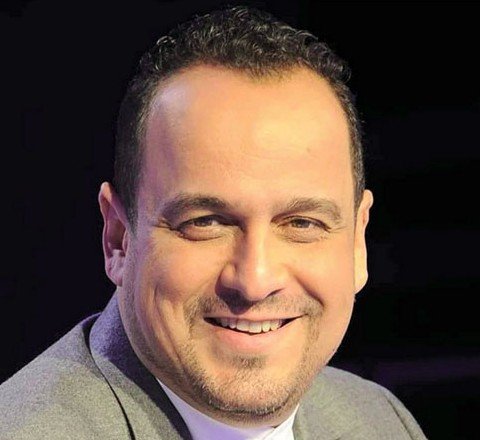
Mourad Zghidi is a Tunisian journalist held since May 2024, first under Decree-Law 54 for his radio commentary and then on money laundering and tax charges widely seen as retaliation for his journalism. His sentence of three years and six months was upheld on appeal in May 2026.
- Country
- Tunisia
- Role
- Journalist
- Arrested
- 11 May 2024
- Sentence
- Three years and six months in prison (January 2026), upheld on appeal on 12 May 2026, cassation appeal pending; earlier eight months under Decree-Law 54, served.
- Status
- Imprisoned (serving sentence)
- Arrested
- 11 May 2024
- Sentence
- Three years and six months in prison (January 2026), upheld on appeal on 12 May 2026, cassation appeal pending; earlier eight months under Decree-Law 54, served.
- Judicial status
- Convicted, not final
- Name in Arabic
- مراد الزغيدي
- Charges
- Spreading false news under Decree-Law 54 (2024 case: one year, reduced to eight months on appeal, served)
- Money laundering (January 2026 judgment: three years)
- Tax offences (January 2026 judgment: six months)
The arrest, and what followed.
Background and Work
Mourad Zghidi is a journalist based in Tunisia. He is a political and sports commentator on Radio IFM in Tunis. His arrest and prosecution align with a well-documented pattern of judicial harassment targeting the Tunisian press since 2021.
Tunisia's media environment has deteriorated sharply in recent years. Journalists who report on corruption, governance failures, or political repression face arrest under charges unrelated to the content of their work. Financial crimes, money laundering, tax evasion, and foreign-currency violations, have replaced direct censorship as the preferred legal mechanism for silencing the press.
The Arrest
Zghidi was arrested on 11 May 2024 over his radio commentary and charged with spreading false news under Decree-Law 54. On 22 May 2024 a Tunis court sentenced him to one year in prison, reduced to eight months on appeal on 30 July 2024. On 7 January 2025, the day he was due for release, an investigating judge issued new detention warrants against him in a money laundering and tax case. The charges followed the pattern established in dozens of other cases: prosecutors invoke financial statutes that shift the burden of proof onto defendants and carry sentences heavy enough to deter others in the profession.
No evidence has been made public linking Zghidi to criminal financial activity. The inclusion of a false-information charge suggests that the prosecution was at least in part a response to his journalistic work, though the state has not acknowledged that connection.
Legal Proceedings
Zghidi was held in pretrial detention in the money laundering case from January 2025. On 22 January 2026, a Tunis court sentenced him to three years for money laundering and six months for tax offences, with fines and asset confiscation. Journalist Borhane Bessis, tried alongside him, received an identical sentence. On 12 May 2026 the Tunis Court of Appeal upheld the sentence, and a cassation appeal is pending. In June 2026 he began a hunger strike in protest at the ruling.
The trial took place in a judicial system that has been systematically instrumentalized to prosecute journalists. Defendants in such cases are frequently denied access to evidence, held in prolonged pretrial detention, and sentenced in proceedings that lack the procedural safeguards required under international fair-trial standards.
Detention Conditions and Health
No information is currently available regarding Zghidi's conditions of detention or his health. Tunisian prisons are severely overcrowded, and political detainees, including journalists, are often held in facilities where medical care is inadequate and family visits are restricted.
International Response
The case has drawn attention from international press-freedom organizations as part of the broader crackdown on independent journalism in Tunisia. Human rights groups have called for Zghidi's release and for an end to the use of financial and administrative charges as tools of political repression.