
Six Years After Lebanon’s 17 October Uprising. The Path to Reform Begins with Civic Space
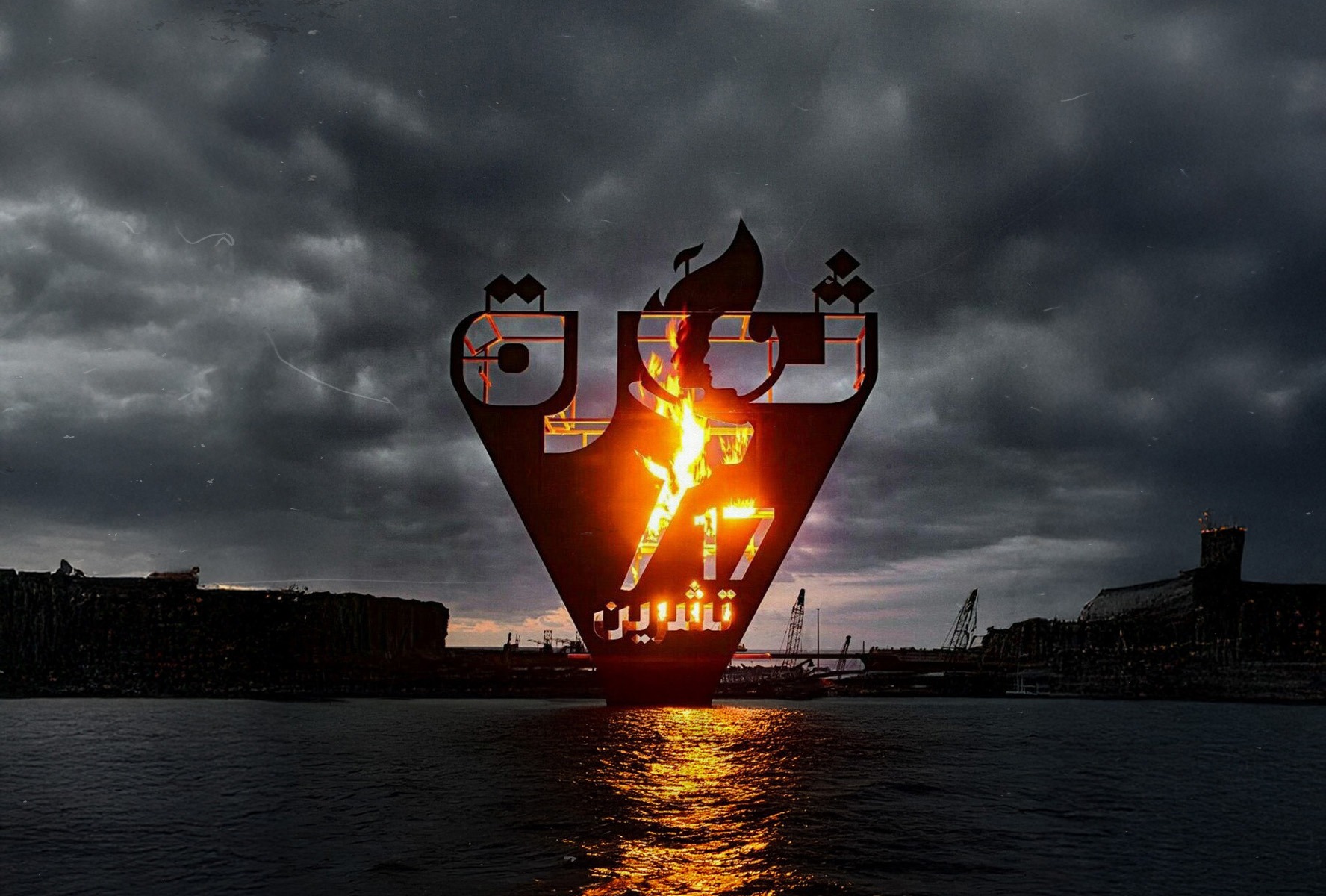
Beirut, 17 October 2025
Six years after the 17 October uprising, HuMENA reaffirms that no political or economic reform is possible without an open and safe civic space and the protection of fundamental rights to expression, association, and peaceful assembly. Between 2019 and 2025, legal, security, and judicial practices have gradually narrowed civic space and increased the cost of participation, while accountability mechanisms have remained weak, delayed, or absent.
This contraction begins in law before it appears on the streets. Outdated legal frameworks and vague formulations have granted authorities wide discretion to restrict assembly and expression under the guise of “public order.” At the same time, procedural shortcuts have undermined the jurisdiction of specialized courts in matters of media and publication, channeling cases into criminal and security tracks. The result has been a chilling effect on activists, journalists, and civil society actors, transforming peaceful speech into legal battles rather than protecting it as a right.
The gap between law and practice becomes clearer in practice. In January 2021, socio-economic protests in Tripoli were followed by mass arrests and detentions without clear charges, reflecting punitive treatment rather than safeguarding the constitutional right to assembly. In September 2023, participants in a peaceful march in Beirut were physically assaulted by masked individuals while security forces failed to intervene or conduct credible investigations, reinforcing the perception that violence against demonstrators carries no consequences.
The same pattern has extended to the media landscape, where journalists face a dual threat. On the ground, reporters have been beaten and their equipment destroyed while covering protests. Procedurally, since March 2025, independent outlets have faced repeated interrogations, defamation lawsuits, and vague accusations such as “undermining financial stability” or “conspiring against state security,” with cases routed through criminal and security bodies instead of the competent publications court. In January 2025, the dismissal of a journalist following internal union activity further revealed the precarious conditions facing the press. These overlapping pressures, physical and procedural, have deeply eroded media freedom.
This contraction has also extended to the digital sphere. As online platforms became a critical space for mobilization and information exchange, users have been subjected to surveillance, summons, and content takedown requests, often relying on vague legal provisions. In the absence of an independent data protection authority, and amid weak privacy safeguards, users have resorted to self-censorship, undermining the right to seek and receive information, especially for those already facing barriers to stable internet and electricity.
The circle closes with the persistent absence of accountability. From 2019 to 2025, no systematic, swift, and transparent investigations have been conducted into excessive use of force, arbitrary arrests, or attacks on demonstrators and journalists. Jurisdictional maneuvers have delayed justice, and findings, if any, have rarely been made public. When impunity becomes the norm, trust in state institutions collapses, and patterns of abuse are perpetuated.
Politically, the government formed in February 2025 adopted a reformist discourse that touched on judicial independence and accountability in major cases. But the real test of political will begins with civic space: protecting the right to protest, safeguarding press freedom, ensuring digital rights and privacy, and engaging civil society as an equal partner in policymaking. Public trust is rebuilt through how the state treats those who monitor, criticize, and protest, not through declarations alone. A credible reform agenda must begin here.
HuMENA calls on the Lebanese authorities to:
- Ensure immediate protection of peaceful assembly by issuing clear operational directives to security forces that regulate the use of force in line with necessity and proportionality, prohibit indiscriminate use of tear gas and rubber bullets, and guarantee unhindered access for journalists and medics.
- Launch independent investigations into incidents between 2019–2025, including excessive use of force, arbitrary arrests, and attacks on peaceful demonstrations (notably those of January 2021 and September 2023), under the supervision of independent investigative judges and with timely public disclosure of results.
- Safeguard press freedom by restricting publication-related cases to the competent publications court, halting security summons of journalists, and prohibiting workplace retaliation, including dismissals, for editorial or union activities.
- End SLAPPs (Strategic Lawsuits Against Public Participation) by amending defamation and insult provisions to remove custodial penalties and introducing procedural safeguards to dismiss abusive lawsuits and hold plaintiffs accountable for costs.
- Modernize the right to assembly by replacing prior authorization requirements with a simple notification system, removing vague language that enables blanket bans, and adopting a national crowd management protocol developed in consultation with civil society.
- Strengthen judicial independence and accountability by criminalizing political interference in the judiciary, activating an independent oversight body, and establishing time-bound accountability frameworks for serious violations, with regular public reporting.
- Protect digital space and privacy by decriminalizing peaceful online expression, prohibiting unlawful surveillance, establishing an independent data protection authority with investigative and enforcement powers, and adopting concrete measures against online violence.
- Institutionalize meaningful civil society participation through permanent consultative mechanisms in legal, judicial, and economic reforms, with measurable performance indicators and regular reporting on progress.
Reform begins with civic space. When rights are protected in the streets, in newsrooms, and on digital platforms, citizens re-emerge as partners rather than suspects. Only then can Lebanon rebuild trust between people and institutions, and transform the memory of 17 October from a moment of rupture into a foundation for meaningful change.
Media enquiries: [email protected]
Read next

New publications, by email
Concise briefings on new HuMENA research, statements, and advocacy.
Subscribe