
Nezha
Majdi
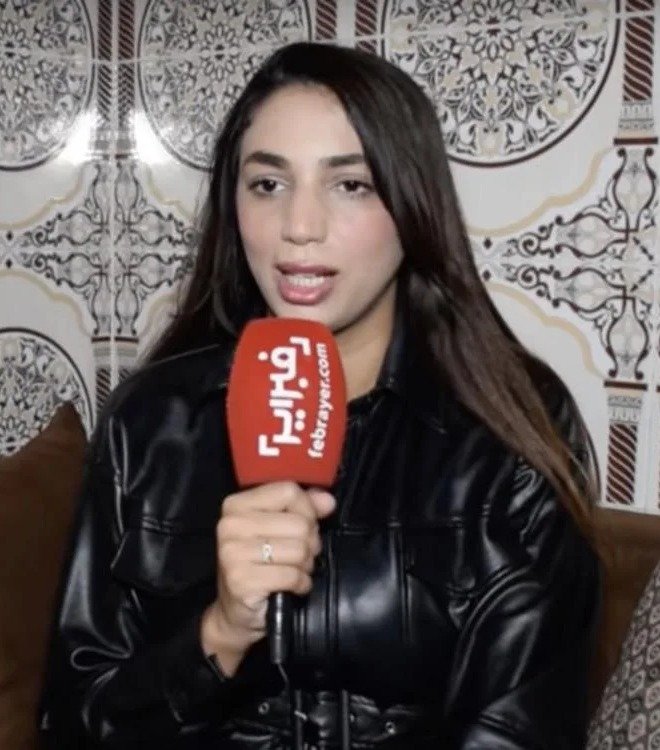
Nezha Majdi is a professor in Morocco who protested alongside contract teachers in April 2021. She reported sexual assault and violent treatment by police. In December 2025 she was arrested to serve a three-month sentence imposed in 2022 and upheld on appeal in May 2023, and she was released on 4 March 2026.
- Country
- Morocco
- Role
- Academic / researcher
- Arrested
- 18 Dec 2025
- Sentence
- Three months of immediate imprisonment.
- Status
- At liberty
- Arrested
- 18 Dec 2025
- Sentence
- Three months of immediate imprisonment.
- Judicial status
- Convicted, not final
- Name in Arabic
- نزهة مجدي
- Charges
- Outrage against a public official
The arrest, and what followed.
Background and Work
Nezha Majdi is a professor in Morocco and a political activist who has campaigned for labour rights in the education sector. Beginning in 2016, thousands of contract teachers across Morocco mobilised to demand conversion of their precarious contracts into permanent civil-service posts. The movement grew into one of the country's most sustained labour protests. Majdi joined the demonstrations and spoke publicly about the abuses teachers faced at the hands of security forces during the protests.
The April 2021 Protests and Police Abuse
On 17 March 2021, Majdi participated in a demonstration in Rabat. During the protest, a police officer sexually assaulted her and threatened her with rape. She reported the assault publicly, naming the perpetrator and calling for accountability.
On 6 April 2021, she took part in a contract teachers' protest in Rabat. Five police officers seized her violently amid the crowd, grabbing her arms, legs, and head. Photographs reviewed by Amnesty International show bruising on her arms consistent with the violent arrest. She was detained alongside nineteen other teachers and held in custody for 48 hours. Authorities transferred the arrested protesters to four separate police stations.
During her detention, a female officer forced her to undress on two occasions and subjected her to humiliating body searches lasting up to fifteen minutes. The officer repeatedly ordered her to sit and stand. Majdi was interrogated for five hours. Authorities questioned her about her role in the protests and pressed her on her prior public statement alleging that a police officer had sexually assaulted her and threatened her with rape on 17 March. At the conclusion of the interrogation, she was charged with "outrage against a public official."
Conviction, Imprisonment and Release
On 10 March 2022, a first-instance court sentenced Nezha Majdi to three months of immediate imprisonment over her part in the contract teachers' protests. In May 2023 the Court of Appeal upheld the sentence; she was the only one of the twenty teachers in the case to receive a custodial term. Her cassation appeal was later rejected.
On 18 December 2025, more than four years after the events in Rabat, she was arrested at a checkpoint at the entrance to Ouled Teima to serve the sentence. She was released on 4 March 2026. Her imprisonment was directly linked to her activism and her willingness to speak publicly about the sexual assault and physical violence she endured at the hands of police.
Legal and Human Rights Concerns
Nezha Majdi's arrest and conviction violate her right to freedom of expression under Article 19 of the International Covenant on Civil and Political Rights, to which Morocco is a party. The charges against her criminalise peaceful protest and retaliate against her for reporting abuses by security forces. The three-month sentence is disproportionate and serves to punish her for exercising her rights.
Her case also raises concerns about the treatment of detainees. The forced undressing, repeated body searches, and prolonged interrogation during her April 2021 detention constitute inhuman and degrading treatment. The failure to investigate her reports of sexual assault and the decision instead to prosecute her for speaking out undermine the right to redress and access to justice.
The prosecution of Nezha Majdi has a chilling effect on academic freedom and civil society activism in Morocco. Educators and activists who expose official misconduct or advocate for labour rights face the risk of criminal prosecution and imprisonment.