About HuMENA
We are for the journalist who keeps writing when the law forbids it.
For the lawyer who defends those detained for gathering.
For the woman defender threatened for organizing.
For the queer voice whose existence is criminalized.
For the organizer who carries her country’s struggle into exile.
For the witness who refuses to look away.
Who we are
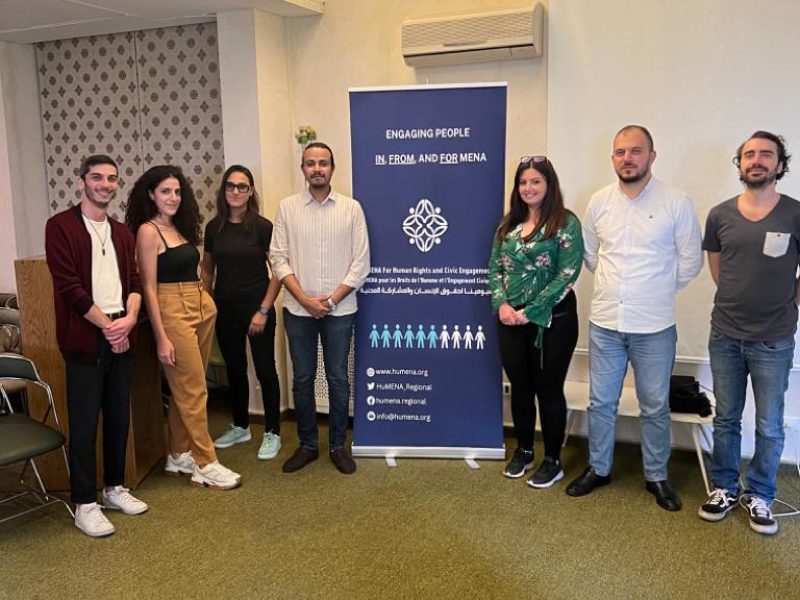
HuMENA is a regional human rights organisation working across the Middle East and North Africa, and with communities in exile. We defend civic space, the room where people gather, speak and organise. We protect those who do that work: journalists, lawyers, women human rights defenders, LGBTQI+ voices, social movements, and the researchers who carry their stories forward.
Civic space is shrinking. Across the region, the laws that once protected protest, association and expression have been bent, suspended, or rewritten. Defenders are arrested, exiled, surveilled. Where the public square has been emptied, we work to keep its memory alive and to rebuild it with those who refuse to leave it.
We document with witnesses, verify with partners, and publish jointly with our coalitions. We carry the work to the UN, the EU and governments, and we stay with cases after the news cycle has moved on.
What we do
HuMENA works in five areas. Each has its own page with the cases, publications and campaigns behind it.
How we work
How a case moves from testimony to the public record.
-
01
Document with witnesses.
Direct from those affected. Sourced. Time-stamped. Held in confidence where it must be.
-
02
Verify with partners.
Triangulated against legal records, on-the-ground organisations, and regional networks.
-
03
Sign together.
Joint statements, coalition advocacy. Shared standing carries further than a single signature.
-
04
Carry to the UN, EU, governments.
Formal mechanisms: UPR submissions, treaty-body briefings, parliamentary outreach.
-
05
Stay with the case.
Most cases take years. We keep them under review and return to them.
Where we work
HuMENA is based in Belgium and Lebanon, with offices in both, and teams across the region and in exile: researchers, lawyers and contributors across the Middle East and North Africa and in the diaspora.
- Brussels
- EU advocacy and institutional relations, close to the institutions where regional cases are carried.
- Beirut
- Regional coordination and field work, where defenders, journalists and partners meet.
- Across the region and in exile
- A distributed network of researchers, lawyers and contributors. Countries covered by HuMENA
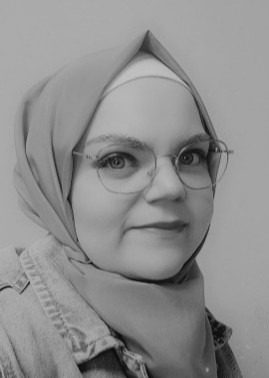
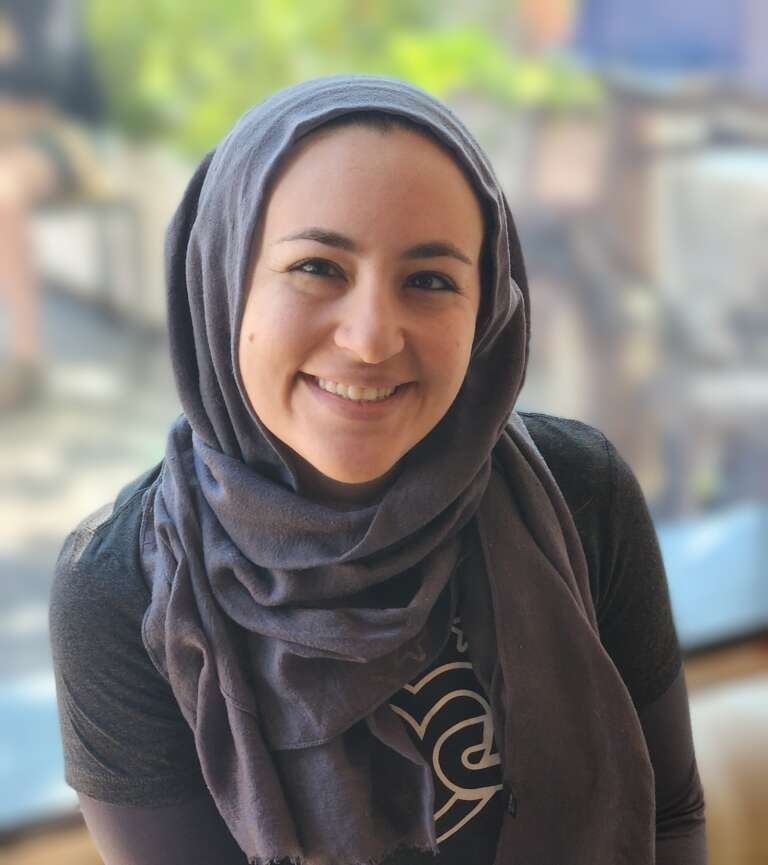
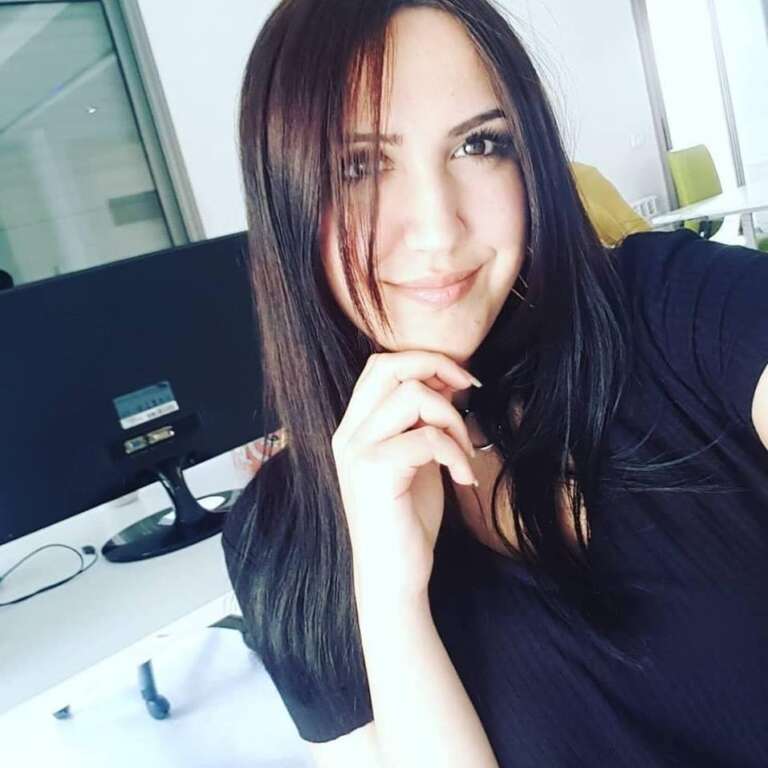
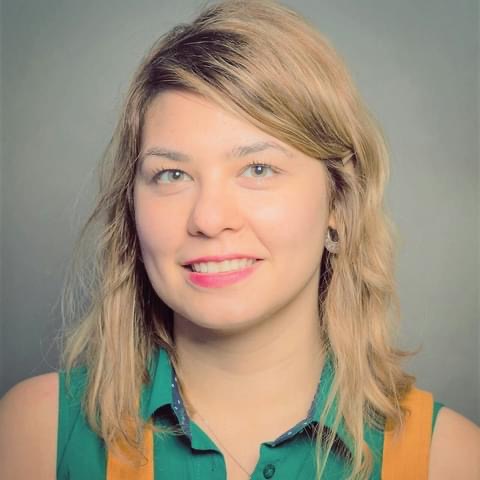
Our team
Staff

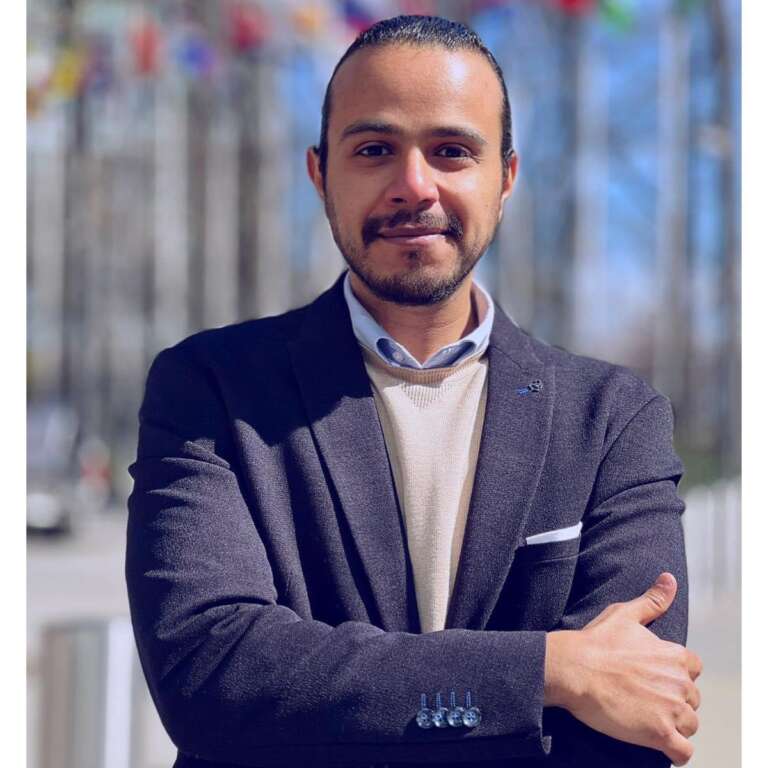
Mostafa Fouad
Latest How Access Pathways Reshape the Public Sphere in the Diaspora… Unwritten Rules that Redistribute Legitimacy Within Activism in Exile

Oumaima Hammami

Sana T.
Latest Six Years After the Beirut Port Explosion: Assessing the Progress of Lebanon’s Investigation
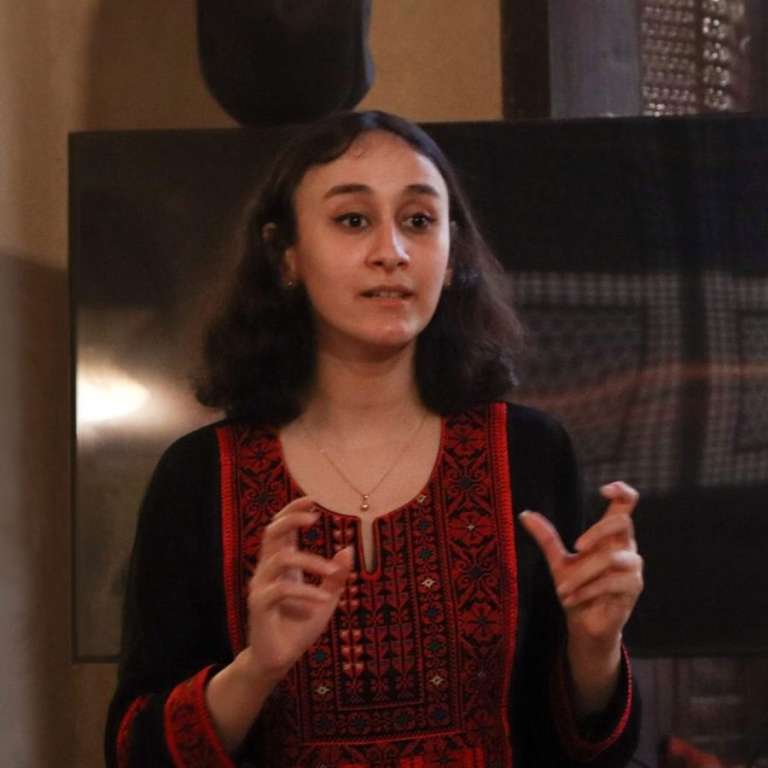
Lujain Khairy
Latest Criminalization of Art in Egypt: Artists Behind Bars
Nissaf S.
Latest Levels of Disappearance: Between Disappearance and Concealment
Amin M.

Lubna A.
Board of Trustees

Mai El-Saadany

Dima Samaro

Muzna Duraid
Contributors
Researchers, writers, lawyers, and defenders whose work appears in our publications.
Ahmed AbdelHalim
Latest The Street Is Not Yours: Repression of Bodies and Assemblies in Egypt
Anas Younes
Latest From Imagination to Collective Imaginaries: How the Arts Reclaim the Public Sphere
Elham Barjas
Latest Timeline of Peaceful Assemblies in Lebanon: Scattered Victories and Building an Opposition Movement
Elssy Karaoghlanian
Latest Weaving Collective Voices: The Impact of Intersectionality in Shaping Peaceful Protests
Falah Sayed
Latest «Forever» has ended, and Syrians are now ready to take ownership of their country.
Ghias Aljundi
Latest Tunisian Women and Peaceful Assembly: An Ongoing Struggle Against Repression After July 25, 2021
Ibrahim Ezzeldin
Latest The Egyptian Government’s Urban Control Strategies to Prevent Peaceful Protests
Ichraq Ghdiri
Latest On the Right to Peaceful Assembly: When Solidarity Gets Sued and Comes at a High Cost
Louay Ghanjati
Latest Syria’s New Order: Rights, Power, and the Battle for Civic Space
Maya Al Jarf
Latest At a Crossroads: Civil Society in Post-Assad Syria and the Struggle for Independence
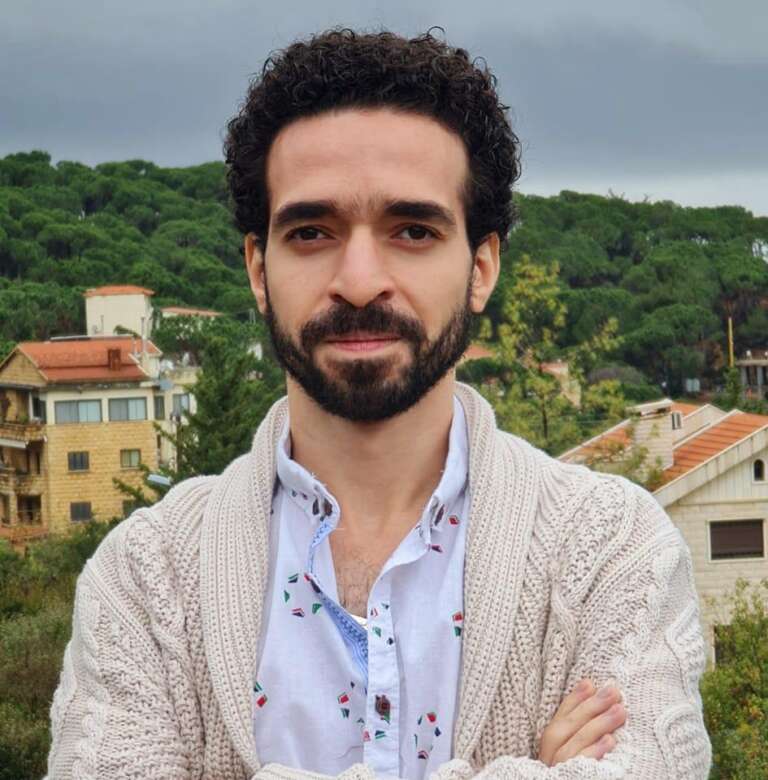
Mostafa Al-A’sar
Latest Prisons or Gas Chambers? How do detainees withstand extreme heat waves in Egypt?
Nawres Hammedi
Latest Decree Law 54 in Tunisia: Between Protecting Digital Space and Threatening Freedoms

Nour (pseudonym)
Latest Freedom or Facade? Tunisia’s Civil Society Remains in Repression
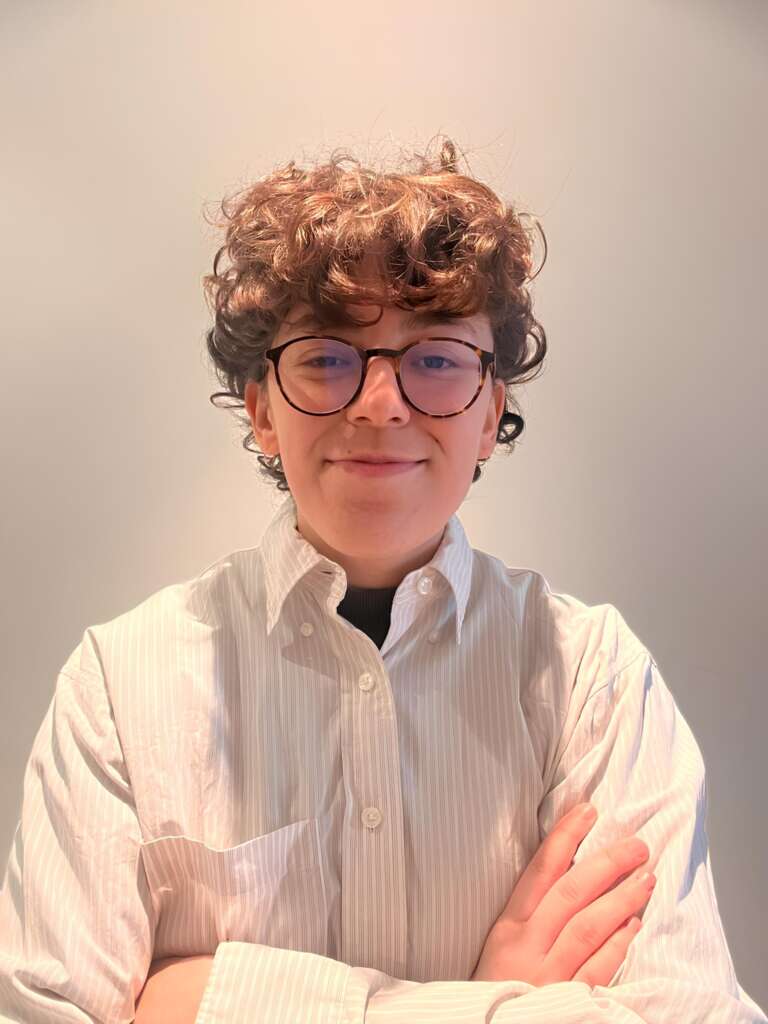
Nour Halabi
Latest Activism and Identity Politics Under a Sectarian System: The Case of Lebanon

Omar Mahdy
Latest Imagination Vs Repression.. On State Repression in Egypt, Artivism, and the Right to Expression and Assembly.

Rawan Natsheh
Latest What Happened to Tal’at? A Feminist Uprising in Palestine and Its Legacy Five Years Later
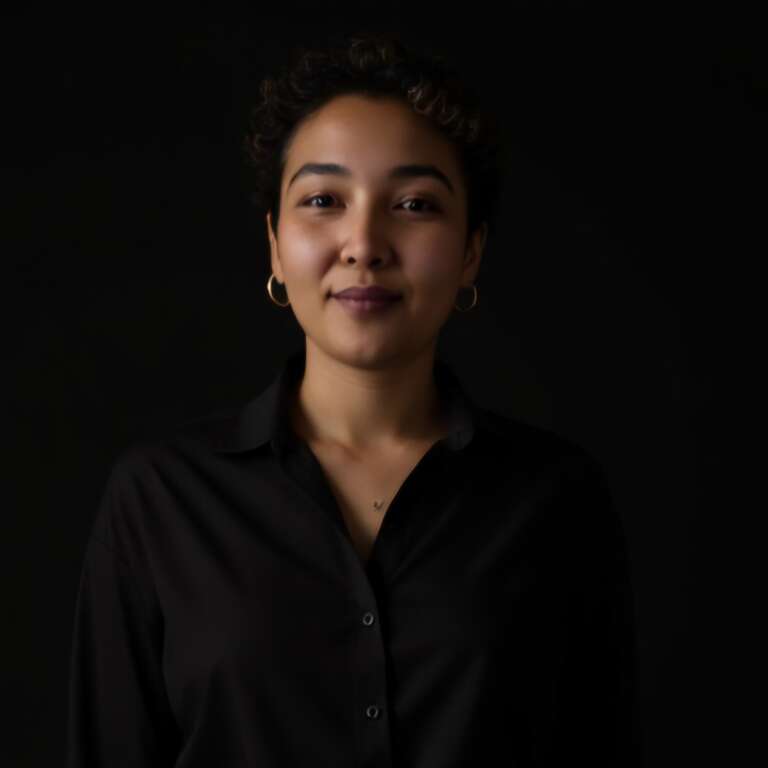
Ritaj Ibrahim
Latest Transnational Oppression: Gendered Repression Across Borders

Sarah Sheikh Ali
Latest Protecting Civic Space and Promoting the Right to Peaceful Assembly in Lebanon: A Roadmap for Nawaf Salam’s Government

W.N
Latest How Civil Society Organizations in North Africa Can Thrive Under Authoritarian Regimes

Shorouk Sallam
Latest From the Constitution to the Prison: How Egypt Penalizes Citizens for Protesting

Sarra Zidi
Latest Police Violations and Coercive Practices in Tunisia: Anal Test as a Case Study
Accountability and transparency
- Legal status
- Non-profit, based in Belgium and Lebanon with offices in both, and teams across the region and in exile. Independent and non-partisan.
- Governance
- A Board of Trustees with regional and international representation. The board members are listed with the team.
- Method
- Documentation with witnesses, verification with partners, joint signatures. How we work.
- Public record
- Every publication is dated and citable in the Resources archive.
- Policies
- Privacy notice and cookie policy.
Last updated October 2026.
Contact
Journalists, researchers, defenders and partners can reach the team through the contact form or at [email protected]. Organisations that want to work with HuMENA can read how partnerships work.