
Saud
al-Faraj
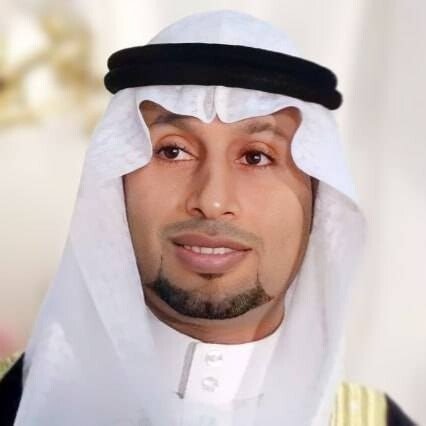
Saud al-Faraj was executed in April 2026 after a trial at Saudi Arabia's Specialised Criminal Court that followed nearly two years of enforced disappearance and a coerced confession extracted under torture.
- Country
- Saudi Arabia
- Arrested
- 2 Dec 2019
- Sentence
- Death penalty, carried out on 1 April 2026.
- Status
- Killed
- Arrested
- 2 Dec 2019
- Sentence
- Death penalty, carried out on 1 April 2026.
- Judicial status
- Convicted, final
- Name in Arabic
- سعود الفرج
- Charges
- Participation in peaceful protests for Shi'a minority rights in 2011 and 2012, the conduct cited against him
- Authorities' accusations, based on a confession extracted under torture: joining a foreign terrorist organisation, forming a terrorist cell and killing security personnel
The arrest, and what followed.
Background and Work
Saud al-Faraj worked as a businessman in Saudi Arabia's Eastern Province, home to a large portion of the country's Shi'a Muslim minority. During 2011 and 2012, he took part in peaceful demonstrations protesting discrimination and calling for improved treatment of Shi'a communities. The protests were part of a broader wave of civic mobilisation across the region during the Arab Spring period, with demonstrators in the Eastern Province demanding political reform, the release of detained Shi'a clerics, and an end to systemic marginalization.
Al-Faraj's participation in the protests was peaceful. After the demonstrations subsided, he returned to his business and private life. For years there was no official indication that his involvement would be used against him.
The Approach and Arrest
In November 2019, a lieutenant colonel from the Mabahith, Saudi Arabia's General Directorate of Investigation, responsible for internal security and counter-intelligence, phoned al-Faraj and asked him to carry out an intelligence mission. Al-Faraj refused and was threatened. About two weeks later, security forces raided his company warehouse and seized equipment. Within weeks, on 2 December 2019, he was arrested in a brutal raid and taken directly to the General Prison in Dammam, where he was placed in solitary confinement.
His family received no information about his whereabouts or the reasons for his detention. Al-Faraj was held incommunicado, with no access to legal counsel and no opportunity to challenge his detention. He disappeared into the prison system for nearly two years.
Enforced Disappearance and Torture
Al-Faraj remained in enforced disappearance until the end of June 2021, when he was finally brought before a judge and prosecutor. It was the first time he was formally informed of the charges against him. The delay, about nineteen months without judicial oversight, violated basic due process standards under international human rights law.
During his detention, al-Faraj was subjected to torture and ill-treatment. Authorities coerced him into signing a confession. It was not until August 2021 that he had his first contact with his family since the arrest, nearly two years after he was taken.
Trial and Sentencing
On 2 November 2022, the Specialised Criminal Court, a tribunal established to prosecute terrorism-related offences but frequently used against human rights defenders, peaceful dissidents, and members of Saudi Arabia's Shi'a minority, sentenced al-Faraj to death. The charges stemmed from his participation in the 2011 to 2012 protests and were based on the confession extracted under torture.
On 31 January 2023, the Specialised Criminal Court of Appeal upheld the death sentence. On 15 March 2023, his lawyer appealed to the Supreme Court. On 5 March 2025, he was retried by the Specialised Criminal Court and sentenced to death again. The Interior Ministry said the Supreme Court had upheld the conviction before the execution.
International Response and Execution
In December 2023, MENA Rights Group submitted al-Faraj's case to the UN Working Group on Arbitrary Detention. On 27 March 2024, the Working Group adopted Opinion No. 26/2024, finding that al-Faraj's detention was arbitrary and in violation of Articles 9, 10, and 11 of the Universal Declaration of Human Rights. The Working Group called for his immediate release and for reparations.
Saudi authorities ignored the decision. On 1 April 2026, Saud al-Faraj was executed in the Eastern Province. His execution followed a pattern of repression against Shi'a activists and peaceful demonstrators in the Eastern Province, many of whom have been sentenced to death after grossly unfair trials in the Specialised Criminal Court.