
Ziad
Al-Sufyani
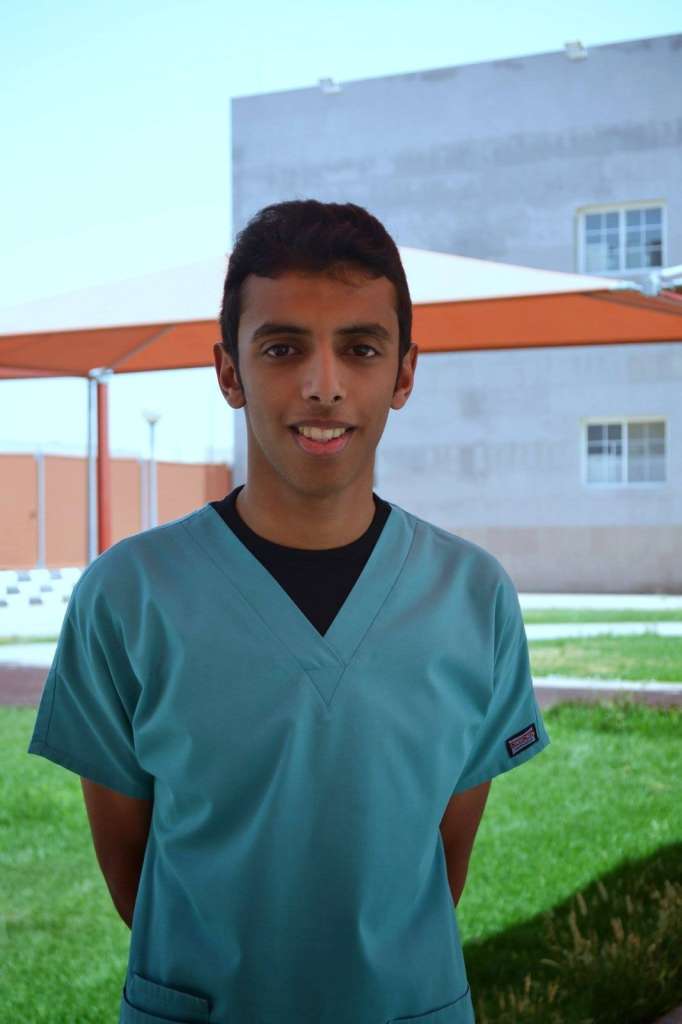
Ziad Al-Sufyani is a podiatrist who founded a university reading club and edited Wikipedia pages on women's rights. He was arrested during the 2020 COVID-19 lockdown and sentenced to eight years in prison. He was released in March 2025.
- Country
- Saudi Arabia
- Role
- Blogger / online writer
- Arrested
- Sep 2020
- Held at
- Al-Ha’ir Prison
- Status
- At liberty
- Arrested
- Sep 2020
- Sentence
- Eight years in prison.
- Judicial status
- Convicted, not final
- Name in Arabic
- زياد السفياني
The arrest, and what followed.
Background and Work
Ziad Al-Sufyani worked as a podiatrist in Saudi Arabia. In 2012 he founded the Taif University Reading Club, an initiative that brought together students and intellectuals interested in literature and social issues. The club became a forum for discussion and intellectual exchange at a time when civil society organizing faced increasing restrictions.
Ziad was also active online. He served as an administrator for the Arabic-language edition of Wikipedia, where he contributed to the creation and editing of numerous entries. Among the pages he worked on was that of Loujain Al-Hathloul, the prominent Saudi women's rights defender who was herself imprisoned for her activism. Wikipedia administrators perform editorial and moderation functions, ensuring that content meets the platform's standards for neutrality and verifiability. In Saudi Arabia, editing pages related to dissidents or human rights issues has increasingly been treated as suspicious activity by the authorities.
Arrest and Detention
Ziad Al-Sufyani was arrested in September 2020, during the height of the COVID-19 pandemic. Saudi Arabia was under strict lockdown measures at the time, and a wave of arrests swept up activists, writers, and online contributors. Ziad was detained alongside his colleague Osama Khalid, another doctor and Wikipedian. The circumstances of their arrests have not been disclosed, and the legal basis for their detention remains unclear.
Few details about Ziad's case have emerged. His detention was conducted in near-total secrecy, with no public charges announced and no information provided to family members or independent observers. He was held at Al-Ha'ir Prison, a sprawling facility south of Riyadh known for housing political prisoners and individuals convicted by the Specialized Criminal Court.
Trial and Sentence
Ziad was tried before the Specialized Criminal Court, a tribunal established in 2008 to hear terrorism cases but increasingly used to prosecute peaceful dissent. The court operates with minimal procedural safeguards. Observers were denied access to hearings in Ziad's case, and no information about the charges or evidence against him was made public.
He was sentenced to eight years in prison. The legal grounds for the sentence are unknown. The Specialized Criminal Court has become notorious for handing down lengthy sentences to writers, activists, and online critics under vaguely worded counter-terrorism and cybercrime statutes. Defendants are often convicted on the basis of social media posts, private communications, or their associations with other dissidents.
Release
On 11 March 2025, the organization ALQST for Human Rights reported that Ziad Al-Sufyani had been released from detention. He had spent more than four and a half years in prison. The terms of his release, whether he was granted pardon, completed his sentence, or remains subject to post-release restrictions, have not been disclosed.
Osama Khalid, the colleague arrested alongside Ziad in 2020, was still imprisoned as of March 2025.
-
Named in this file
Loujain al-Hathloul
“Later he became an administrator on Arabic Wikipedia, where he spent hours creating and editing entries, including the page for Loujain Al-Hathloul, the women's rights activist whose own name had become a battleground in…”