
Tunisia | January 14 Revolution: No Legitimacy for Repression in the Name of Public Order.
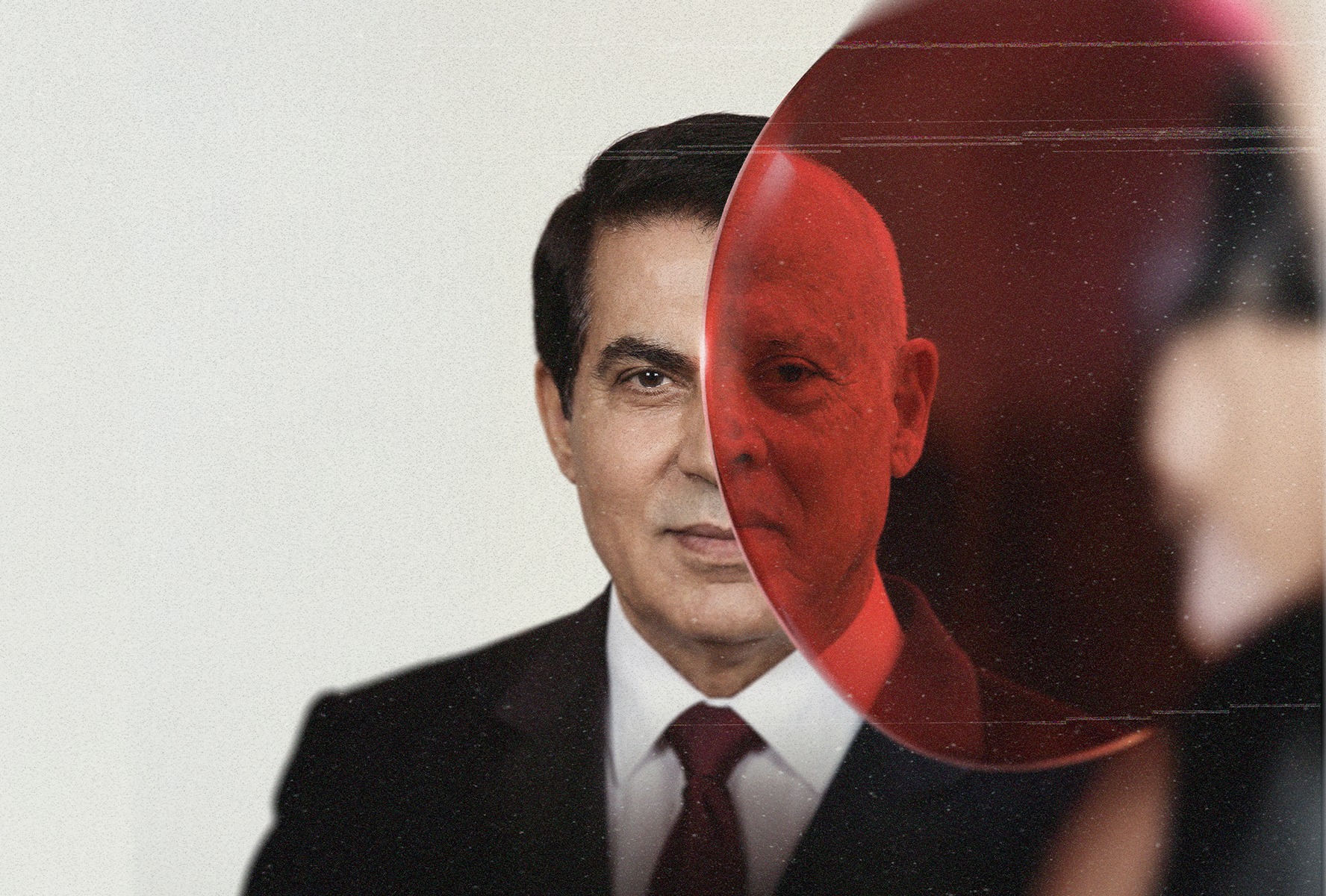
Fifteen years have passed since the outbreak of the Tunisian revolution against injustice and tyranny, when the Tunisian people decided to break with a deeply entrenched authoritarian system that had been in place since 1989. The cost of that system’s persistence was severe for civil society and intermediary bodies, as human rights defenders and political opponents were imprisoned simply for exercising their fundamental constitutional rights, foremost among them freedom of expression and peaceful assembly.
During the eras of Bourguiba and Ben Ali, the state relied on an authoritarian governance model that used legislation, administrative control, and security apparatuses to restrict freedom of association, public gatherings, and demonstrations. Within this framework, Law No. 25 of 1992, amending legislation governing associations, reinforced administrative and procedural constraints on civil society work. Likewise, Law No. 4 of 1969 on public meetings, rallies, parades, demonstrations, and assemblies was used in practice to limit the scope of peaceful assembly through restrictive conditions and procedures that, when applied in a constraining manner, emptied the right of its substance. This had a direct impact on the public sphere and on the ability of civil and political actors to organize and express themselves.
January 14 represents a decisive turning point in Tunisia’s modern history. The rupture with authoritarian rule led to an opening of civic space and the emergence of unprecedented dynamism within intermediary bodies. Political pluralism expanded, and civil society gained a genuine space to promote, defend, and institutionalize rights and freedoms. Some organizations even reached the stage of monitoring parliamentary activity, tracking legislative abuses and contributing to a vibrant civic dynamic as a foundation for democratic development.
The decade following the revolution witnessed significant legal progress, particularly in the field of individual rights and freedoms, despite obstacles and delays during the constitution-building process between 2012 and 2014. Among the most notable achievements of this period was the establishment of the Committee on Individual Freedoms and Equality, which submitted Draft Organic Law No. 71 of 2018 on individual rights and freedoms. The draft aimed to create a legislative framework capable of protecting individuals from any regression that might undermine hard-won freedoms. The committee’s work expanded the concept of freedoms to encompass all forms of discrimination, in line with contemporary human rights standards and international judicial jurisprudence.
The post-2014 constitutional phase also saw the establishment of transitional oversight mechanisms intended, at least in principle, to strengthen the rule of law and prevent the adoption of legislation that undermines the essence of rights and freedoms. These included the Provisional Authority for the Review of the Constitutionality of Draft Laws. In parallel, and in the context of combating impunity in places of detention, the National Authority for the Prevention of Torture was established as an independent national mechanism tasked with prevention, monitoring, and documentation of violations, including patterns of ill-treatment and torture, and with submitting recommendations to the relevant authorities. Despite practical limitations and uneven official responses to its findings, these mechanisms constitute important post-revolution gains in the protection of rights and oversight of power.
Today, however, Tunisia faces escalating political and human rights challenges that threaten the gains achieved in protecting civic space and fair trial guarantees. In recent years, there has been a marked expansion in arrests and prosecutions targeting lawyers, journalists, politicians, and human rights defenders, within a context characterized by declining procedural safeguards and the growing use of criminal and administrative frameworks as tools to pressure critical voices. This trajectory reflects a troubling contraction of freedoms and a tangible decline in the ability to exercise freedom of expression, association, and peaceful protest without fear of targeting or criminalization.
At the same time, there have been increasing attempts to re-regulate the public sphere through legislation and measures that raise serious concerns regarding freedom of expression and freedom of association. Chief among these is Decree-Law No. 54 of 2022 on combating crimes related to information and communication systems, which has generated widespread concern due to the breadth of its criminal provisions and the risk of its use to restrict expression on digital platforms, creating a chilling effect on public debate. In parallel, Draft Law No. 027 of 2023 on regulating civic space and civil society associations has been introduced amid fears that it would undermine the independence of associations by expanding administrative oversight and imposing complex procedural and regulatory requirements that could obstruct free and effective civil society work and weaken its role as an independent watchdog and rights actor.
On 10 January 2026, Tunis witnessed a protest in support of former judge and lawyer Ahmed Souab, amid a heavy security presence. Participants raised slogans denouncing injustice and calling for guarantees of fair trial rights and protection of the right to peaceful protest. This mobilization took place in a broader social and political context marked by growing concern over the shrinking space for public freedoms and a widespread perception that the public sphere is increasingly managed through security and procedural restrictions rather than through constitutional guarantees and relevant international standards.
HuMENA affirms that any security measures that prevent citizens from exercising their right to peaceful assembly, or that effectively transform this right into an exception, constitute a violation of Tunisia’s constitutional obligations and its international and regional commitments, foremost among them the Universal Declaration of Human Rights, the International Covenant on Civil and Political Rights, and the African Charter on Human and Peoples’ Rights. The expansion of arrests without a clear legal basis, or the imposition of security cordons that empty rights of their substance, entrenches a chilling environment aimed at reducing public presence rather than managing assemblies in a manner that respects rights and ensures public safety.
Habib Bourguiba Avenue remains one of the most prominent symbols of public space in modern Tunisia, firmly anchored in the collective memory as a site of the January 14 moment, which redefined the relationship between society and authority and the boundaries of freedom of expression and peaceful assembly. Amid ongoing debates over the official framing and dating of the revolution, HuMENA stresses that the human rights significance of this moment is not measured by symbolic recognition, but by the extent to which the state today respects the fundamental rights that the revolution sought to defend.
HuMENA emphasizes that any approach to governing public space cannot be viable without clear and effective guarantees for the exercise of freedom of expression and peaceful assembly, and without an end to the criminalization of the peaceful exercise of rights or their conversion into exceptional privileges. HuMENA reiterates its solidarity with prisoners of conscience and all those facing prosecution due to their peaceful activities, and affirms its commitment to defending an independent civic space capable of operating without administrative obstruction, security pressure, or smear campaigns, as a necessary condition for the protection of rights and freedoms.
Accordingly, HuMENA considers the following steps essential to ensure respect for fundamental rights and the protection of civic space in Tunisia:
- Lifting security and administrative restrictions that result in the effective prohibition of peaceful assemblies, and guaranteeing the right to demonstrate without arbitrary obstruction.
- Ending arbitrary arrests and detentions based on expression or peaceful activity, and releasing all those detained for the peaceful exercise of their rights.
- Guaranteeing fair trial rights and the rights of defense, and preventing arbitrary restrictions on lawyers, access to case files, or the public nature of judicial proceedings.
- Safeguarding judicial independence and the separation of powers, and preventing any executive interference in prosecutorial decisions or judicial work.
- Ending the use of Decree-Law No. 54 of 2022 to restrict peaceful expression, and initiating its revision to ensure clarity, precision, and alignment with Tunisia’s international human rights obligations.
- Halting the current legislative process of Draft Organic Law No. 027 of 2023 and opening public consultations to develop a framework that genuinely protects freedom of association and its independence.
- Ending the targeting of civil society through administrative obstruction, financial pressure, or incitement and smear campaigns, and conducting serious investigations into allegations of torture and ill-treatment in places of detention, with accountability for those responsible.
HuMENA also calls on international partners and UN and regional mechanisms to closely and regularly monitor the situation in Tunisia, raise concerns related to freedom of expression, peaceful assembly, and judicial independence in their engagement with Tunisian authorities, and support the capacity of civil society to document and report violations.
Media enquiries: [email protected]
Read next
Tunisia | Suspension of Avocats Sans Frontières Restricts Civic Space and Threatens Access to Justice for Vulnerable Groups

Tunisia | Detention of MP Ahmed Saeedani and Risks to Parliamentary Independence

Tunisia | Criminalizing Journalism: Zghidi and Bessis Sentenced
New publications, by email
Concise briefings on new HuMENA research, statements, and advocacy.
Subscribe