Tunisia | HuMENA welcomes the release of Sharifa Riahi and her colleagues, but release is not enough. It is time to end the criminalisation of civil society work linked to protecting migrants and refugees.
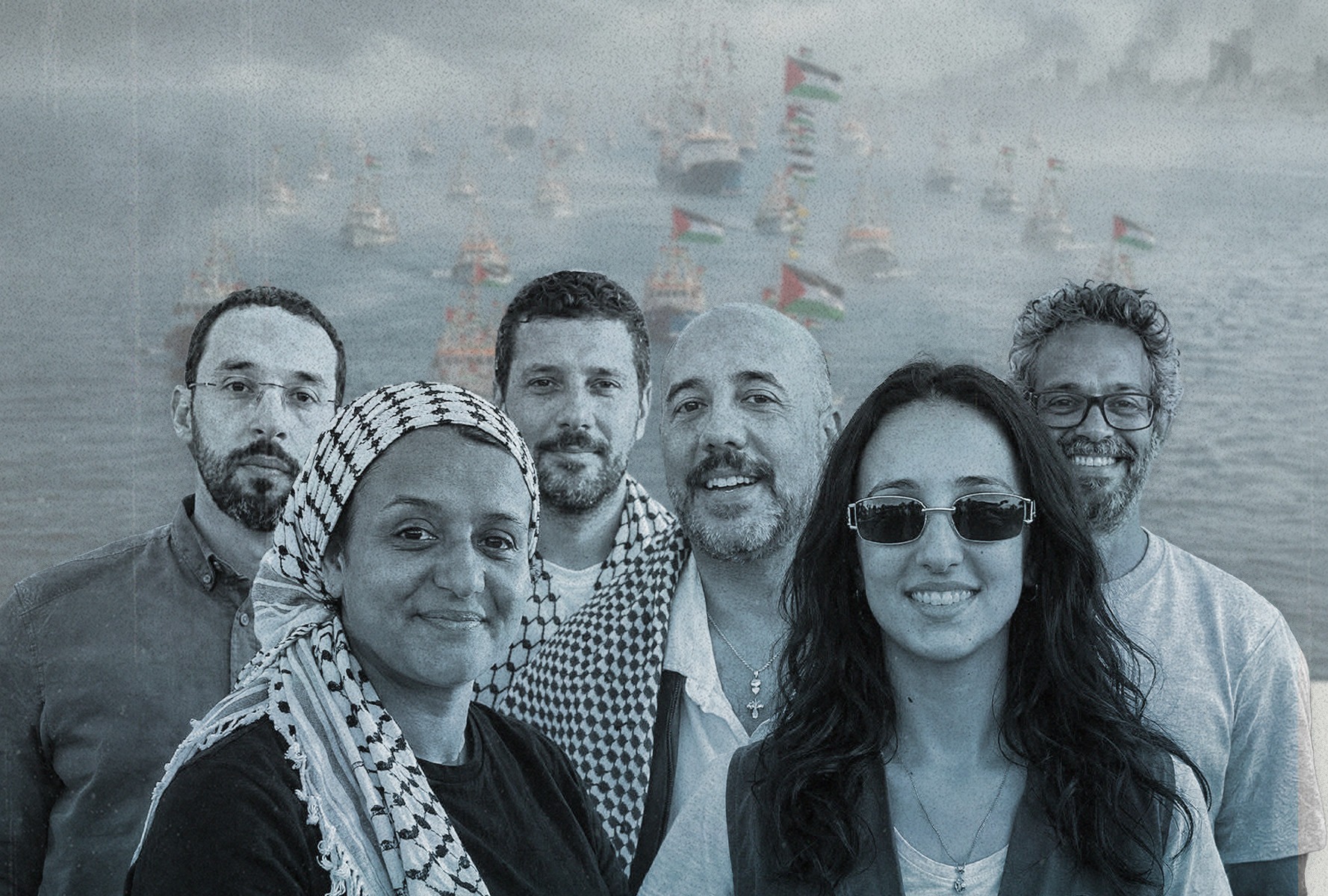
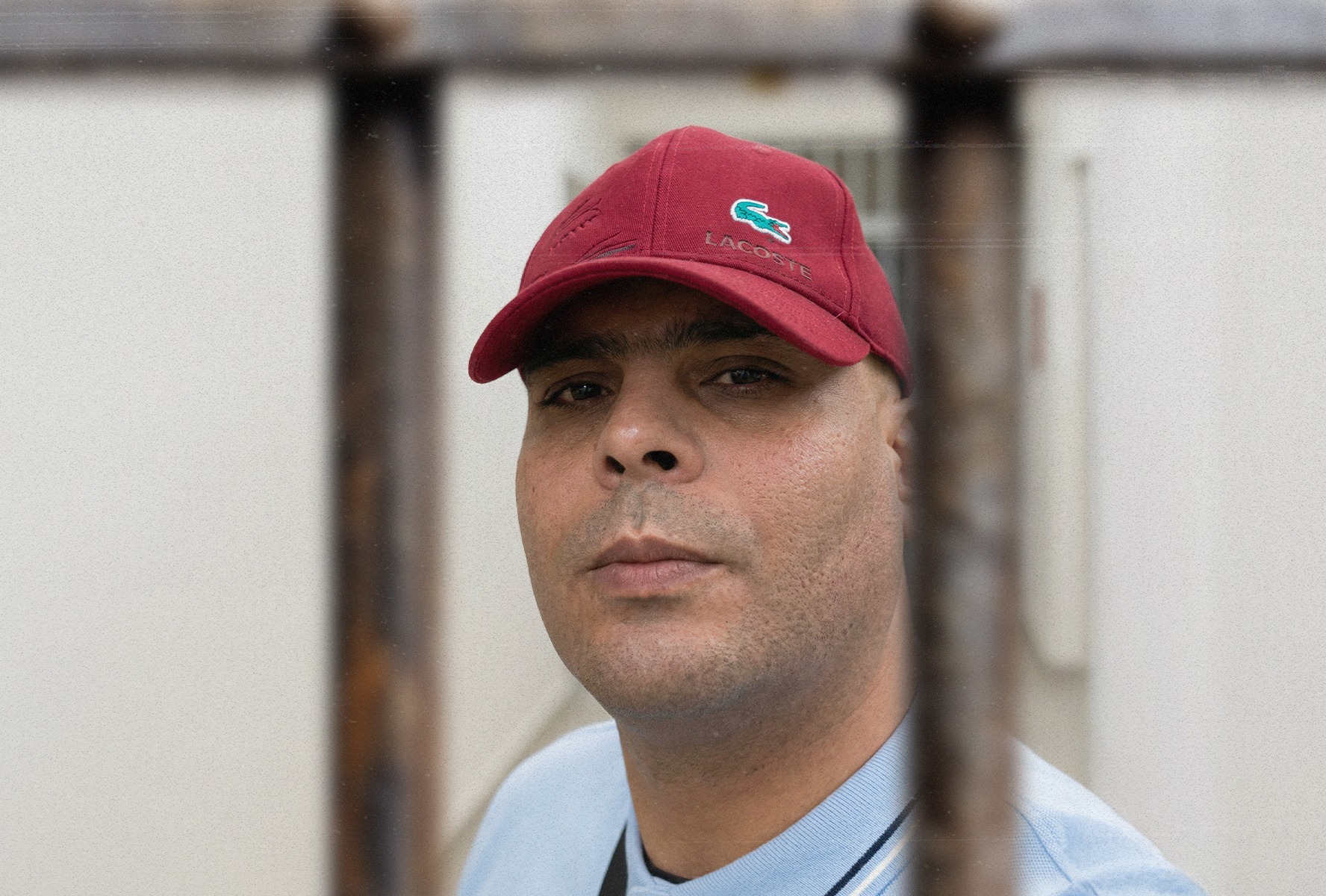
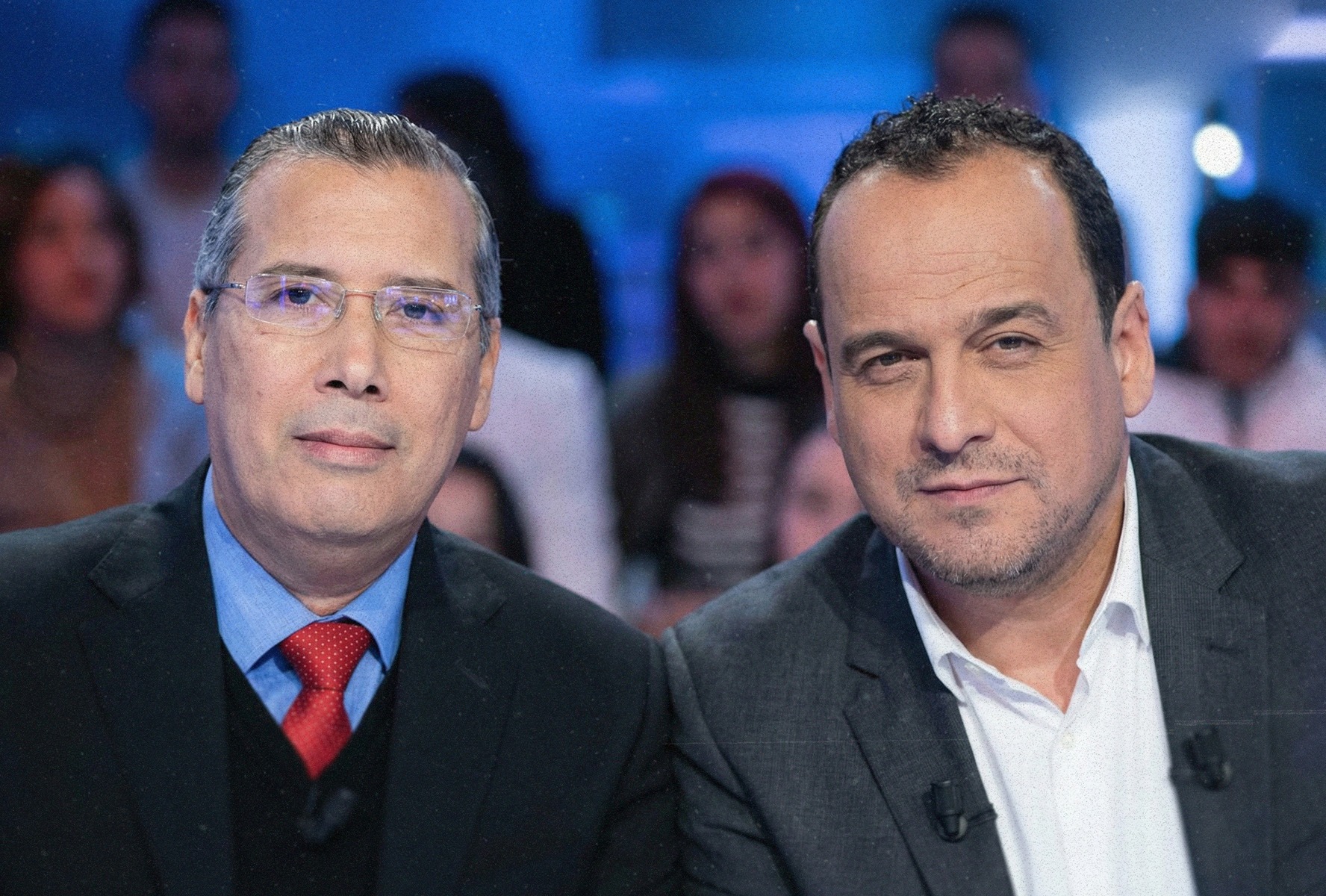
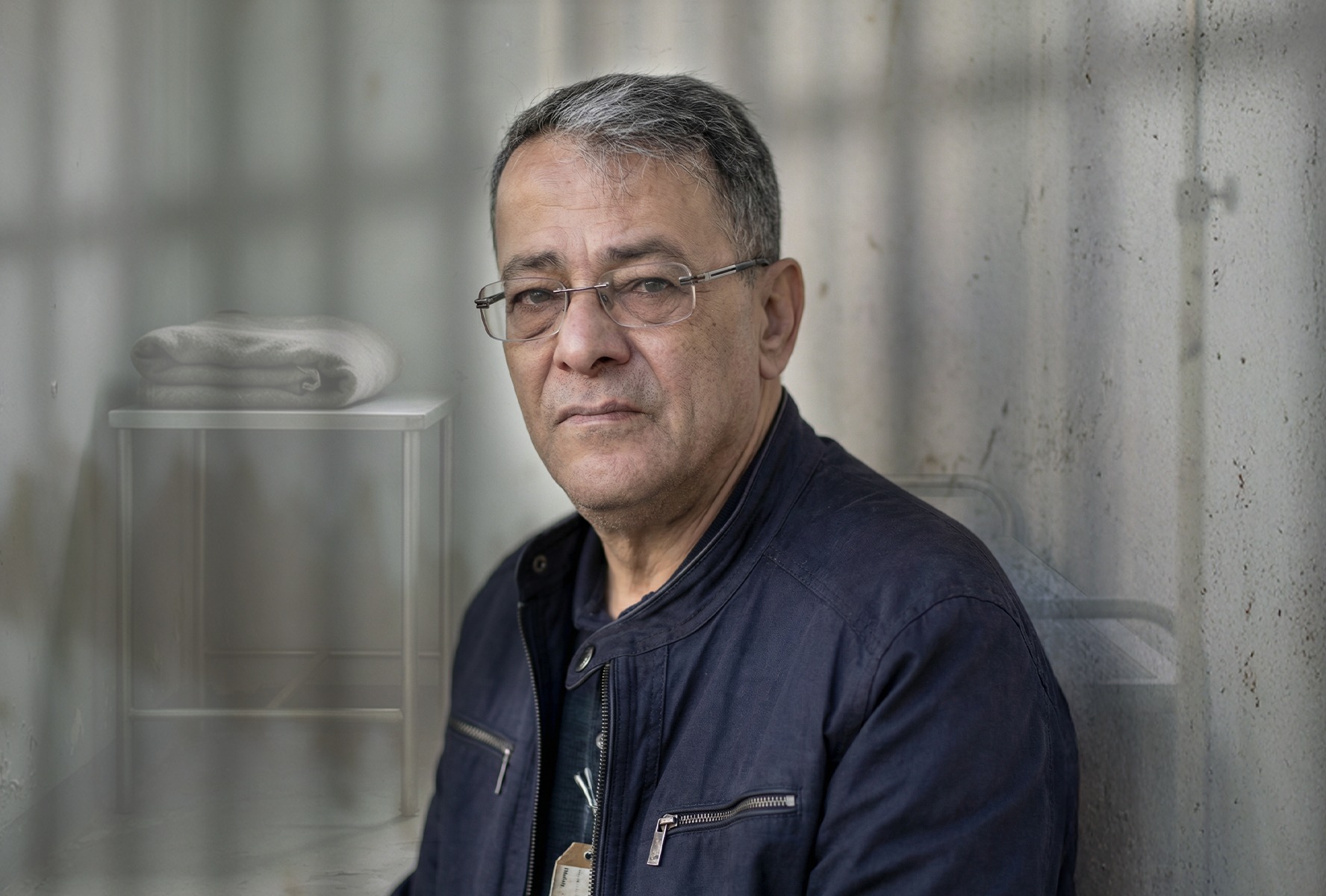
HuMENA welcomes the decision to release, with a two-year prison sentence suspended (deferred enforcement), Sharifa Riahi, Mohamed Jaouou, Ayadh Boussalmi, Imen Wardani, and Mohamed Iqbal Khaled, following the second hearing held on 5 January 2026 before the Bab Bnet Court in Tunis. The hearing began at 9:00 a.m. and continued late into the night, according to the defence team. However, this decision does not dispel concerns regarding the basis of the prosecutions and their legal characterisation, nor does it address the impact of prolonged pre-trial detention on the right to liberty and fair trial guarantees.
HuMENA also condemns the authorities’ crackdown on civic space through the use of arbitrary and broadly framed charges against human rights defenders. It recalls the authorities’ continued intransigence and violations of the legal procedures provided for in legislation and the Constitution, particularly in exceeding the legal time limits for pre-trial detention and in serious violations of fundamental rights guaranteed under the treaties and conventions ratified by Tunisia.
According to the case file (No. 55958/1), commonly known as the “Tunisia Terre d’Asile” case, the proceedings involve 23 defendants, including all 17 members of the municipal council, as well as six members of the staff of Terre d’Asile Association – Tunisia, most of whom are being tried while at liberty. According to the case file, the charges relate to facilitating irregular stay and providing services and/or shelter, in connection with civil society work involving migrants from Sub-Saharan Africa. This trial takes place in an extremely complex political and social context, marked by an escalating climate of hostility toward civil society work and a growing rejection of intermediary bodies that play a pivotal role in protecting fundamental rights and defending vulnerable groups.
Sharifa Riahi, Mohamed Jaouou, Ayadh Boussalmi, Imen Wardani, and Mohamed Iqbal Khaled were arrested in May 2024 and placed in pre-trial detention for approximately 20 months, contrary to Article 85 of the Code of Criminal Procedure, which provides that this measure is exceptional and sets out the time limits and conditions governing it. An investigating judge may, after obtaining the opinion of the Public Prosecutor, decide—by a reasoned decision—to extend pre-trial detention once in misdemeanour cases for a period not exceeding three months, and twice in felony cases, provided that the duration of each extension does not exceed four months.
Although pre-trial detention is, by law, an exceptional measure subject to strict compliance with the time limits and conditions set out by law, staff members of Terre d’Asile Association and the Sousse municipality have been held since May 2024 in detention conditions that raise serious concerns regarding compliance with international standards, including the Nelson Mandela Rules. Moreover, this measure constitutes a violation of the principle of proportionality that should govern criminal procedure, in addition to being in clear contradiction with Article 35 of the 2022 Constitution, which states: “No person may be arrested or detained except in cases of flagrante delicto or by judicial order. They shall be immediately informed of their rights and of the charge brought against them, and they have the right to appoint a lawyer. The duration of arrest and detention shall be determined by law.” Based on the information available to HuMENA, and according to the defence team, sufficient judicial justifications authorising the continuation of pre-trial detention for this duration were not provided, which is inconsistent with Tunisia’s international obligations, including under the International Covenant on Civil and Political Rights.
Some charges in the case have previously been dismissed/closed. On 26 February 2025, the court ruled that there were no grounds to proceed with the case brought against the organisation and its legal representative in relation to charges including money laundering and forming an association with the intent to harm public and private property. This raises serious questions regarding the justification for continued pre-trial detention and the extent to which the principles of necessity and proportionality have been respected. Despite the organisation’s acquittal of all charges brought against it as a legal entity, prosecutions continued against specific individuals.
The authorities primarily accuse these defenders of facilitating irregular stay and providing shelter to migrants from Sub-Saharan Africa in an irregular situation, through a cooperation agreement concluded between the Terre d’Asile Association and the Sousse municipality, which primarily concerns directing migrants to legal, health, and social services. In principle, this work falls within the provision of services, referrals, and social support, rather than smuggling or exploitation networks. The accusations were built on the meaning of Article 25 of Law No. 7 of 1968 on the status of foreigners in Tunisia: “Any person who provides assistance to a foreigner, directly or indirectly, or attempts to facilitate their entry into Tunisia, exit from it, movement within it, or stay in it in an irregular manner, shall be punished with imprisonment for a period ranging from one month to one year and a fine ranging from six dinars to one hundred and twenty dinars,” as well as on Articles 39 and 41 of Law No. 40 of 1975 relating to passports.
In addition, Articles 96 and 98 of the Penal Code, relating to breaches of legal regulations, were invoked. However, these two articles were amended pursuant to Law No. 14 of 2025, issued on 28 July 2025, which requires a careful assessment of the impact of the amendment on the legal characterisation of the prosecutions and on the applicability of the provisions in force to the facts referred. Accordingly, this legislative amendment changed the defendants’ legal situation, potentially affecting the legal characterisation of the charges brought against them under Articles 96 and 98.
Nevertheless, the first hearing was held on 15 December 2025 before the Bab Bnet Court of First Instance, and requests for release were rejected. A second hearing was then scheduled for 5 January 2026, in a course of proceedings that reflects continued judicial rigidity and a failure to give effect to core legal safeguards and the rights of defenders of civil and political freedoms, at a time when the country is witnessing a tangible escalation in repressive policy and a serious deterioration of public freedoms and the freedom of civil society work.
HuMENA notes, according to the defence team, the omission of testimonies of officials whose names were mentioned in the investigations, as well as the refusal to hear key witnesses proposed by the defendants, including ministry officials and representatives of governmental organisations. Documents relating to coordination with the authorities to shelter urgent humanitarian cases were also not presented. This deepens concerns regarding litigation pathways and fair trial guarantees in cases linked to human rights work, and may materially affect the court’s assessment of the facts and the soundness of the legal characterisation.
This case is not isolated. It reflects a pattern of prosecutions adopted since 2021 that produces a chilling effect on civil society and limits its capacity to carry out oversight and accountability.
This case highlights growing risks of criminalising civil society and human rights work related to the protection of migrants, refugees, and asylum seekers, and places the justice system before a test of compliance with constitutional and legal safeguards, international obligations relating to liberty and fair trial rights, and the protection of human rights defenders. HuMENA affirms that the continued prosecution of human rights and humanitarian work, particularly in cases involving migrants, refugees, and asylum seekers, exacerbates the chilling effect on civil society and undermines the core guarantees of the rule of law.
Accordingly, HuMENA calls on the Tunisian authorities to:
Respect Tunisia’s obligations under the International Covenant on Civil and Political Rights, in particular Articles 9 and 14 relating to personal liberty and fair trial guarantees.
Comply with the UN Declaration on Human Rights Defenders and ensure a safe environment that enables them to carry out their activities without fear of retaliation, harassment, or prosecution.
End policies and practices aimed at undermining the role of civil society and intermediary bodies, and recognise their essential role in protecting fundamental rights, especially the rights of migrants, refugees, and asylum seekers.
Refrain from official incitement that links humanitarian or human rights work to threats to national security, as this poses serious risks to social peace and the rule of law.
Establish effective legal and institutional safeguards to prevent the recurrence of retaliatory prosecutions against human rights defenders and civil society organisations.
HuMENA also calls on the international community and UN mechanisms to engage the Tunisian authorities regarding the documented violations and to take the necessary measures to ensure that human rights and humanitarian work is not criminalised, in particular through the UN Special Rapporteurs concerned with the situation of human rights defenders and with the rights of migrants.