Bahrain | Fifteen Years Since the Arrest of Abdulhadi Al-Khawaja: Ongoing Arbitrary Detention, Torture, Medical Neglect, and the Shrinking of Civic Space in Bahrain
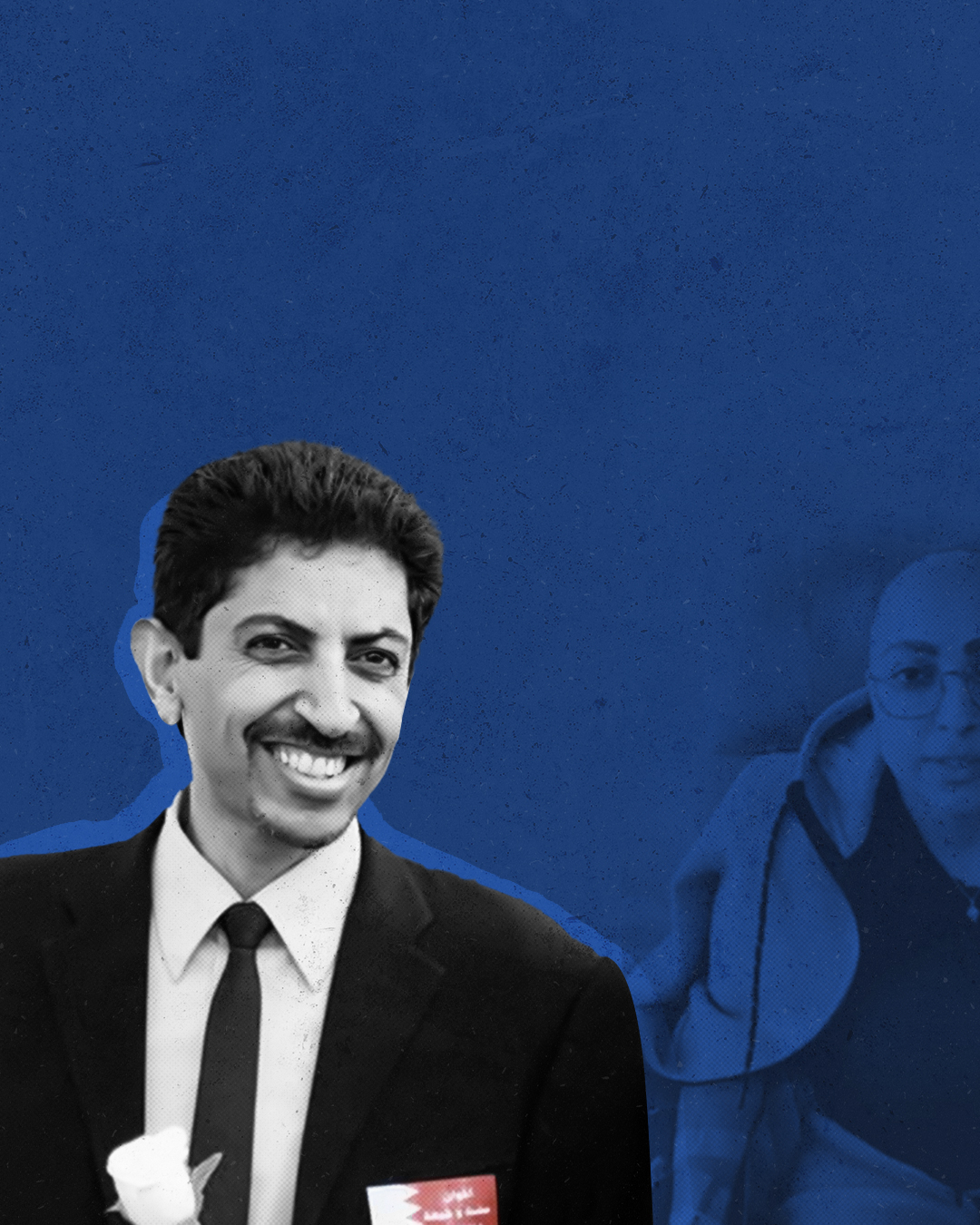
On 9 April 2026, fifteen years will have passed since the arrest of prominent Bahraini human rights defender Abdulhadi Al-Khawaja, only days after he turned sixty-five, while he remains arbitrarily detained in Jau Prison. HuMENA for Human Rights and Civic Engagement affirms that his continued detention, despite the grave violations he has suffered and the serious deterioration in his health, reflects the Bahraini authorities’ determination to keep one of Bahrain’s most prominent human rights defenders behind bars. It also reflects a broader pattern of targeting independent rights voices and shrinking civic space in the country.
Abdulhadi Al-Khawaja was arrested on 9 April 2011 during the crackdown that followed the 2011 protests in Bahrain. He was later sentenced to life imprisonment on charges related to terrorism and attempting to overthrow the government, as well as spying for a foreign state. His sentence was upheld in September 2012 and again in January 2013, despite serious violations of fair trial guarantees, including his exclusion from court proceedings and the denial of effective access to his lawyer. At dawn on the day of his arrest, masked security officers stormed his home, broke down the door, and beat him so severely that he lost consciousness. He sustained serious facial injuries, including a broken jaw, before being transferred to the hospital, where security officers threatened him and his family. He was then held for weeks in solitary confinement and subjected to repeated abuse, including torture and sexual violence. In 2012, the UN Working Group on Arbitrary Detention concluded that his detention was arbitrary and called for his release and compensation.
The targeting of Abdulhadi Al-Khawaja cannot be separated from his standing as one of the most prominent human rights defenders in Bahrain and the wider region. He co-founded the Bahrain Center for Human Rights and the Gulf Center for Human Rights, and for decades his name has been synonymous with defending fundamental freedoms, opposing torture, and confronting grave abuses. His continued detention after all this time sends a clear message: the Bahraini authorities are targeting not only one individual, but a broader model of independent human rights work grounded in accountability, rights, and dignity.
Throughout his detention, Al-Khawaja has faced ongoing violations inside prison, including restrictions on communication with his family and lawyer, punitive limits on visits, and harassment linked to his protests against detention conditions and ill-treatment. Additional prosecutions were also brought against him inside prison because of those protests and his objections to the abuses he faced. In 2022, two new cases were opened against him, and he was convicted in November 2022; the convictions were upheld in early January 2023, in proceedings marked by his exclusion from an appeal hearing and by his lawyer’s withdrawal in protest.
His health condition remains one of the most alarming aspects of the case. On 28 February 2023, Al-Khawaja experienced a severe heart-rhythm disturbance and difficulty breathing. He was transferred to the Bahrain Defense Force Hospital, where an emergency doctor confirmed the urgent need for immediate referral to a cardiologist. Yet this was not carried out as required. His continued deprivation of specialized medical care, despite clear risks to his life and health, cannot be dismissed as incidental neglect or administrative failure. It forms part of a pattern of cruel and inhuman treatment that, given its prolonged nature and serious consequences, may amount to torture or other prohibited ill-treatment under international law.
Concern for his safety has intensified further in light of recent security developments around Jau Prison. In the absence of effective safeguards to protect detainees or ensure emergency medical response, the continued detention of Abdulhadi Al-Khawaja, a prisoner of conscience now aged sixty-five and living with serious health concerns, constitutes a direct assault on his right to life, physical integrity, and human dignity.
The targeting has not stopped with Abdulhadi Al-Khawaja himself. It has extended to members of his family because of their continued advocacy on his behalf, their calls for his release, and their efforts to expose the abuses he has suffered. In September 2023, Maryam Al-Khawaja was prevented from boarding a flight to Bahrain after announcing her intention to travel to demand her father’s release. In March 2016, Zainab Al-Khawaja was arrested along with her 15-month-old son. This reflects a broader pattern in which punishment is extended to the defender’s family and surrounding rights community, turning solidarity into another site of retaliation and intimidation.
The case of Abdulhadi Al-Khawaja clearly shows how Bahrain’s security, judicial, and prison institutions are used to criminalize peaceful human rights work, deter demands for accountability, and suppress civic space. His continued detention, denial of adequate medical care, targeting of his family, and deprivation of basic justice guarantees are not isolated incidents but interconnected components of a broader policy aimed at weakening independent rights voices and shrinking any real space for civic action. In this context, his continued imprisonment carries significance far beyond his individual case. It reflects the wider environment in which human rights defenders operate in Bahrain, where civic space remains closed.
“Fifteen years on, the case of Abdulhadi Al-Khawaja continues to capture, with stark clarity, the state of rights and civic space in Bahrain. We are looking at a prominent human rights defender who remains arbitrarily detained despite the grave violations that marked his arrest and trial, despite the alarming deterioration in his health, and despite repeated UN and human rights calls for his release. His continued imprisonment does not merely reflect the targeting of one individual; it reveals a determination to punish peaceful human rights work and to keep major rights issues hostage to security and political considerations. In light of recent regional escalation and the risks surrounding Jau Prison, the responsibility of the Bahraini authorities, as well as that of their international partners, has become even clearer and more pressing.”
Mostafa Fouad, Executive Director, HuMENA for Human Rights and Civic Engagement
The fact that Abdulhadi Al-Khawaja has spent fifteen years in detention and reached the age of sixty-five behind bars captures the scale of the ongoing injustice and the persistent failure to uphold even the most basic legal and humanitarian obligations owed by the Bahraini state. HuMENA stresses that his immediate and unconditional release, access to specialized medical care, an end to the targeting of his family, and accountability for those responsible for torture, ill-treatment, and medical neglect are not matters of political choice. They are direct legal obligations that must no longer be evaded.
HuMENA calls on:
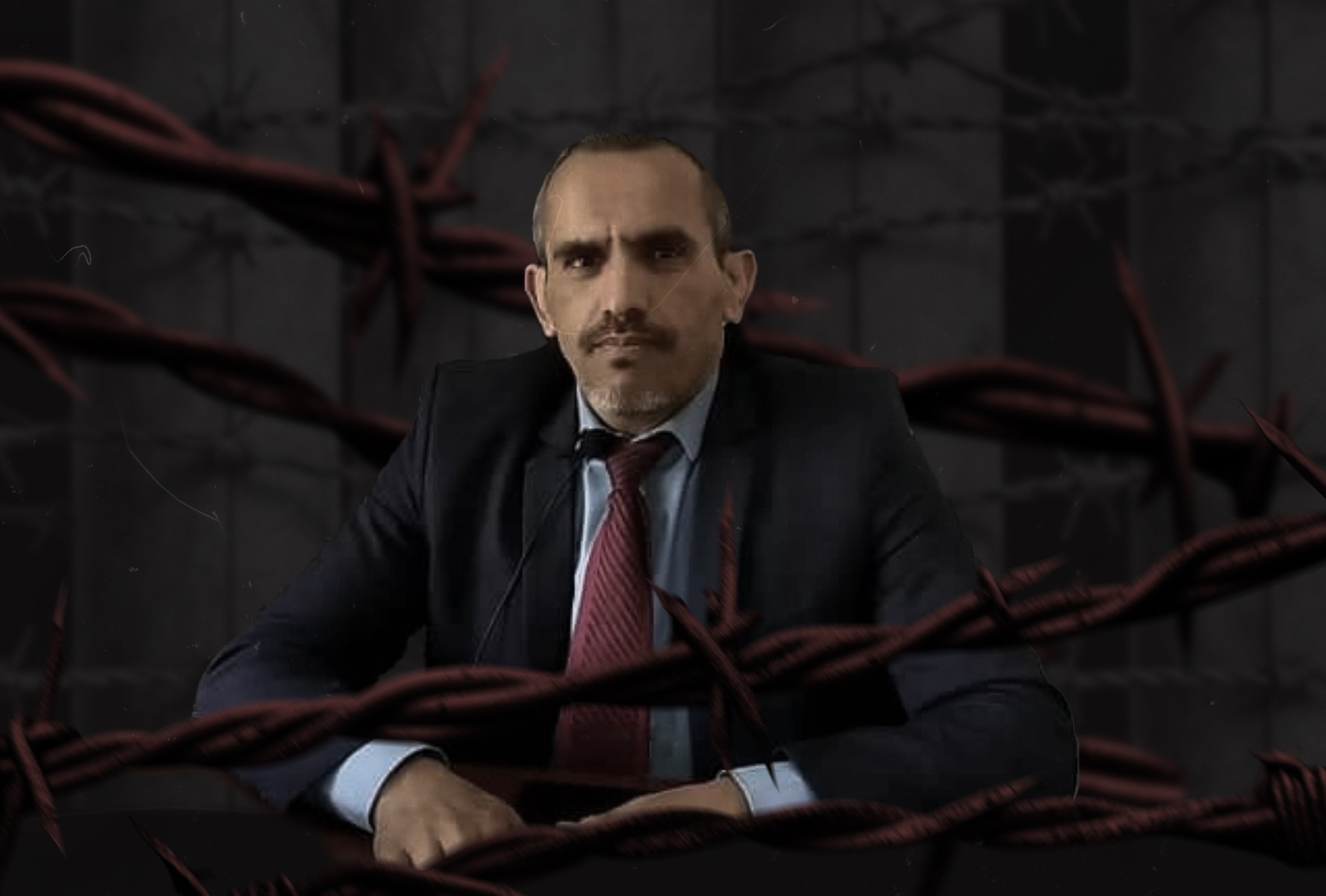
the Bahraini authorities to immediately and unconditionally release Abdulhadi Al-Khawaja, Abdulhadi Al-Miqdad, and all prisoners of conscience and arbitrarily detained persons imprisoned for peacefully exercising their fundamental rights; ensure that Al-Khawaja receives independent and specialized medical care without delay; open independent and effective investigations into all allegations of torture, ill-treatment, and medical neglect; and end all forms of retaliation or harassment targeting him, his family, or defenders associated with his case.
the Danish authorities to undertake sustained, public, and serious diplomatic action to secure the immediate release of Abdulhadi Al-Khawaja as a Danish citizen arbitrarily detained abroad, and to use all bilateral and multilateral channels to raise his case regularly and at a high political level.
European Union institutions to place the case of Abdulhadi Al-Khawaja, and that of all prisoners of conscience and arbitrarily detained persons in Bahrain, at the center of any political, security, or cooperation dialogue with Bahraini authorities, and to condition any advancement in bilateral relations on meaningful progress in the release of arbitrarily detained persons, an end to violations against human rights defenders, and accountability for torture and ill-treatment.